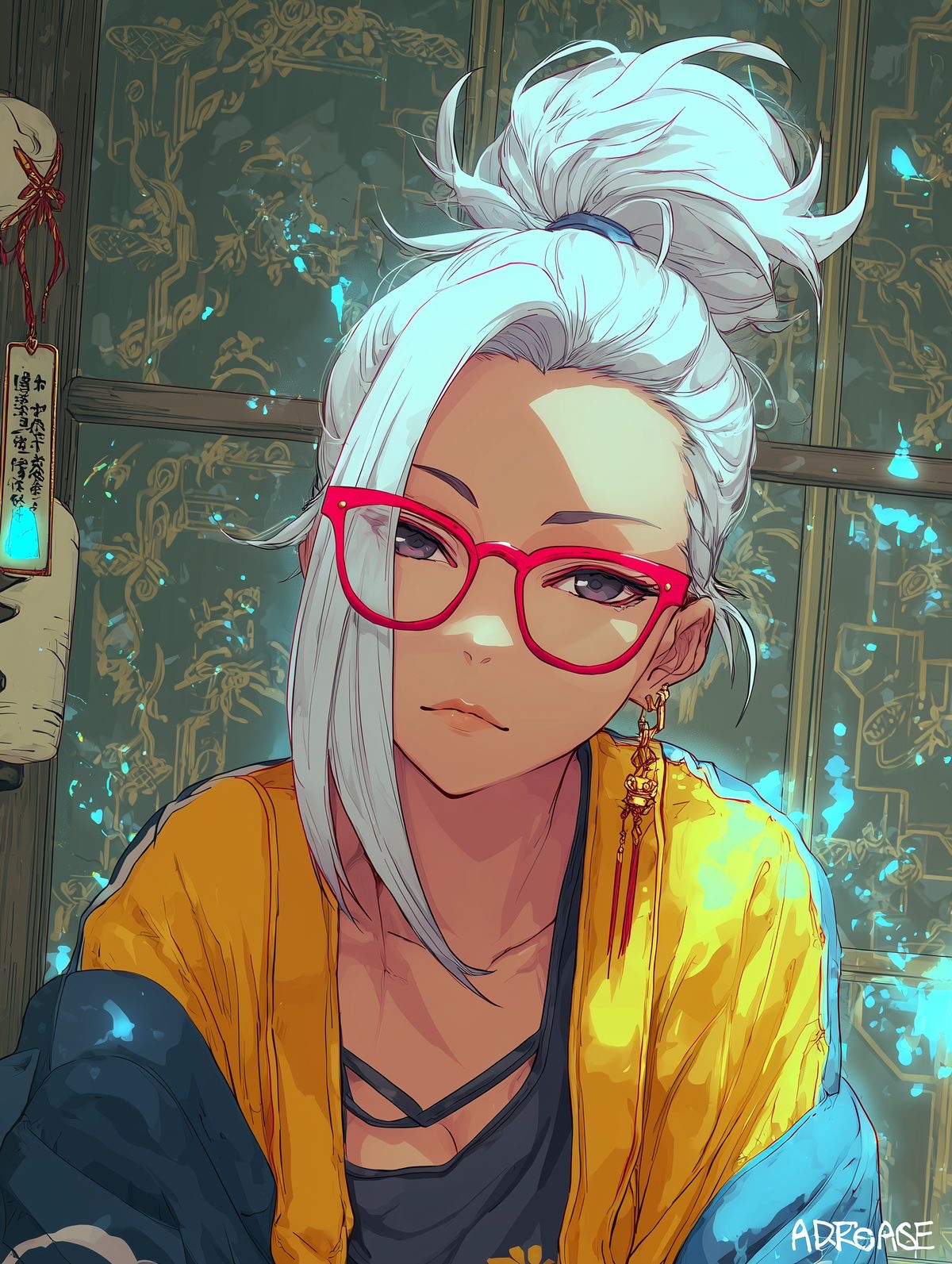
One Punch Man 3 –
In terms of story, I have high expectations for this season of the anime. Even without knowing exactly how far the adaptation will go, if it reaches the point I hope for, it promises to be by far the best season in this regard. Another very positive point, which already brings a huge smile to my face, is the involvement of the band BABYMETAL in the staff. However, despite these encouraging aspects, the studio in charge remains the same, and technically, the second season left much to be desired. At least there is still no information about who will be the director, which keeps me hopeful.
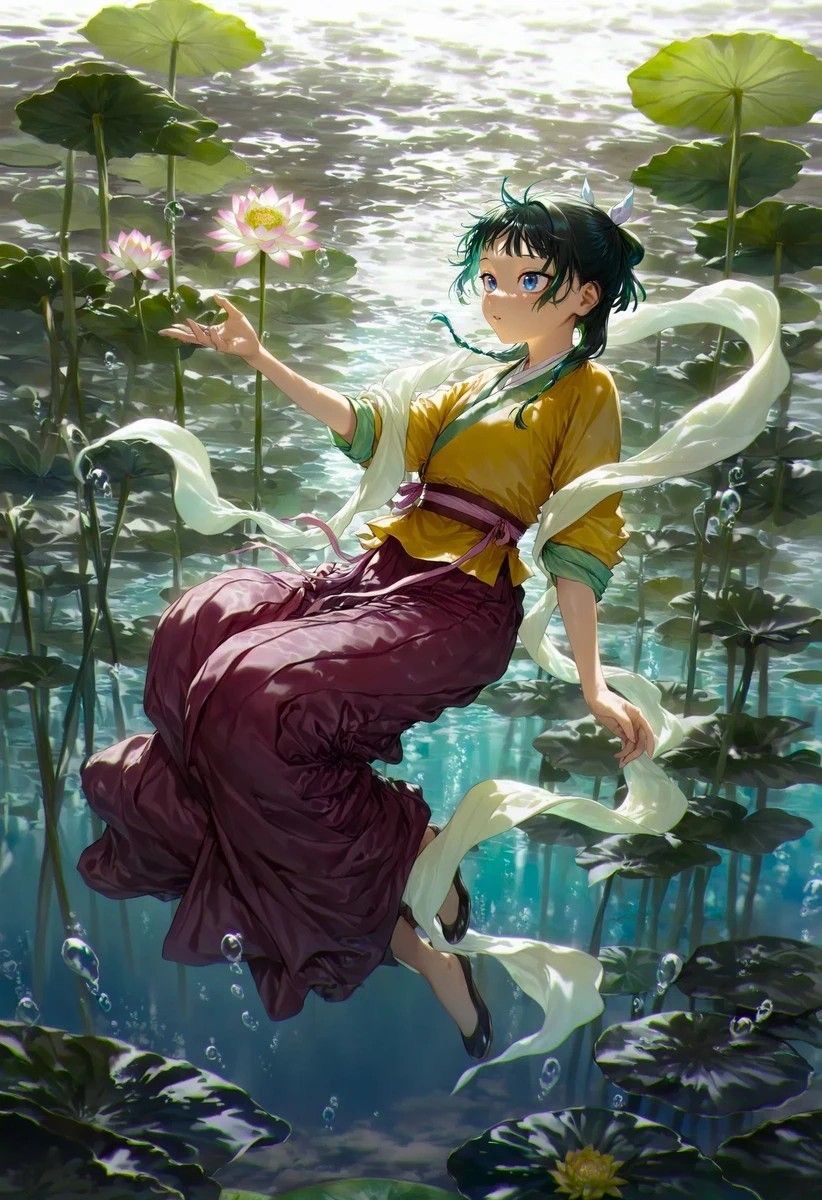
Spy x Family Season 3 –
Although it is called the third season, it could be considered the fourth, since the first season was split into two parts. I really like this franchise and found the anime’s initial concept quite refreshing compared to what had been released before. However, in this new season, the idea no longer feels as innovative. Even though I loved the second season (which, for me, even surpassed the second part of the first), I feel myself starting to get tired. I believe that if the story progresses at a faster pace, with some time skips and truly impactful events, I could get excited again as much as before, or even more. Another aspect I would appreciate is seeing the writing adopt a slightly more mature tone while remaining more believable.
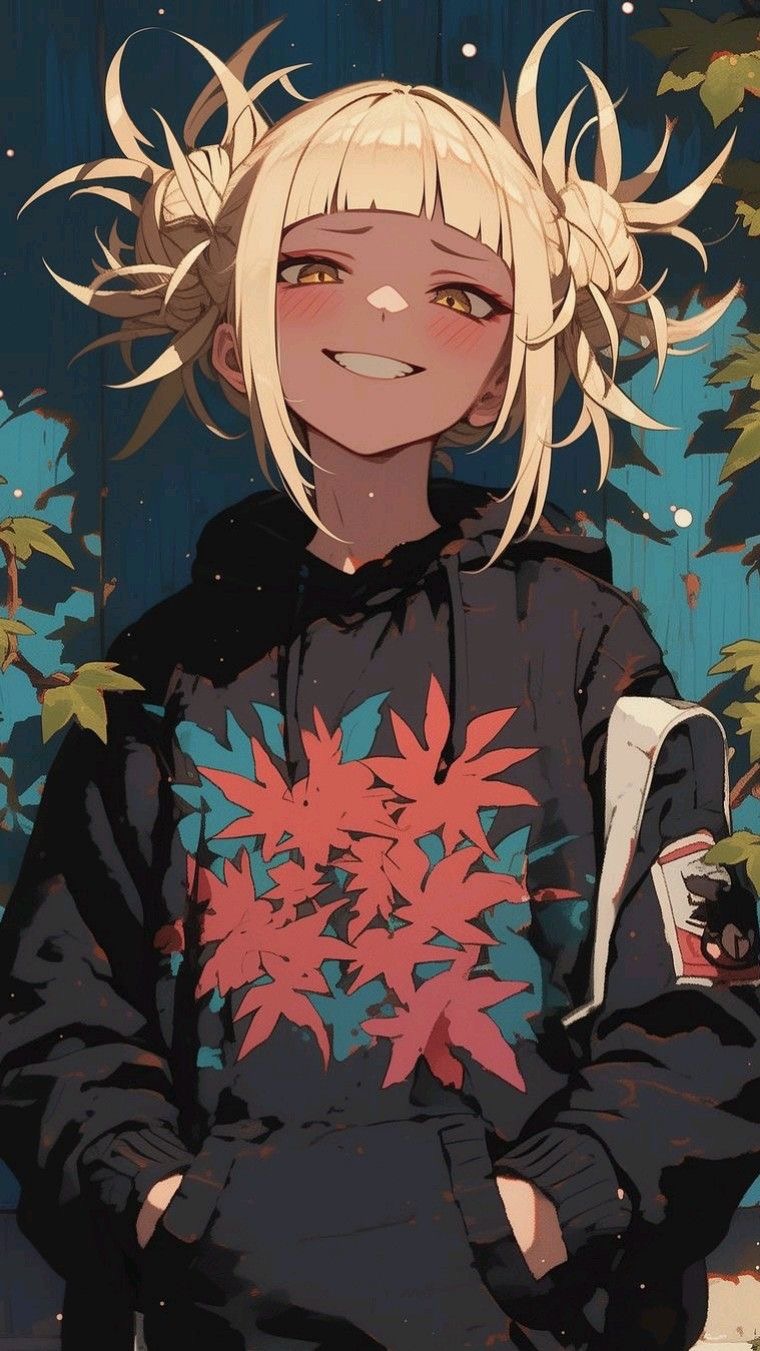
Boku no Hero Academia: Final Season –
Another season, and once again I note that this is not my type of anime, as I dropped it during the first episode of the first season. That said, even among fans, the franchise has been accumulating disappointments for several seasons. For those who haven’t been frustrated yet, it is likely to happen now, as the manga’s ending was extremely controversial. The negative reception was so strong that an alternate ending was produced, but even so, it still left much to be desired for a large part of the audience.
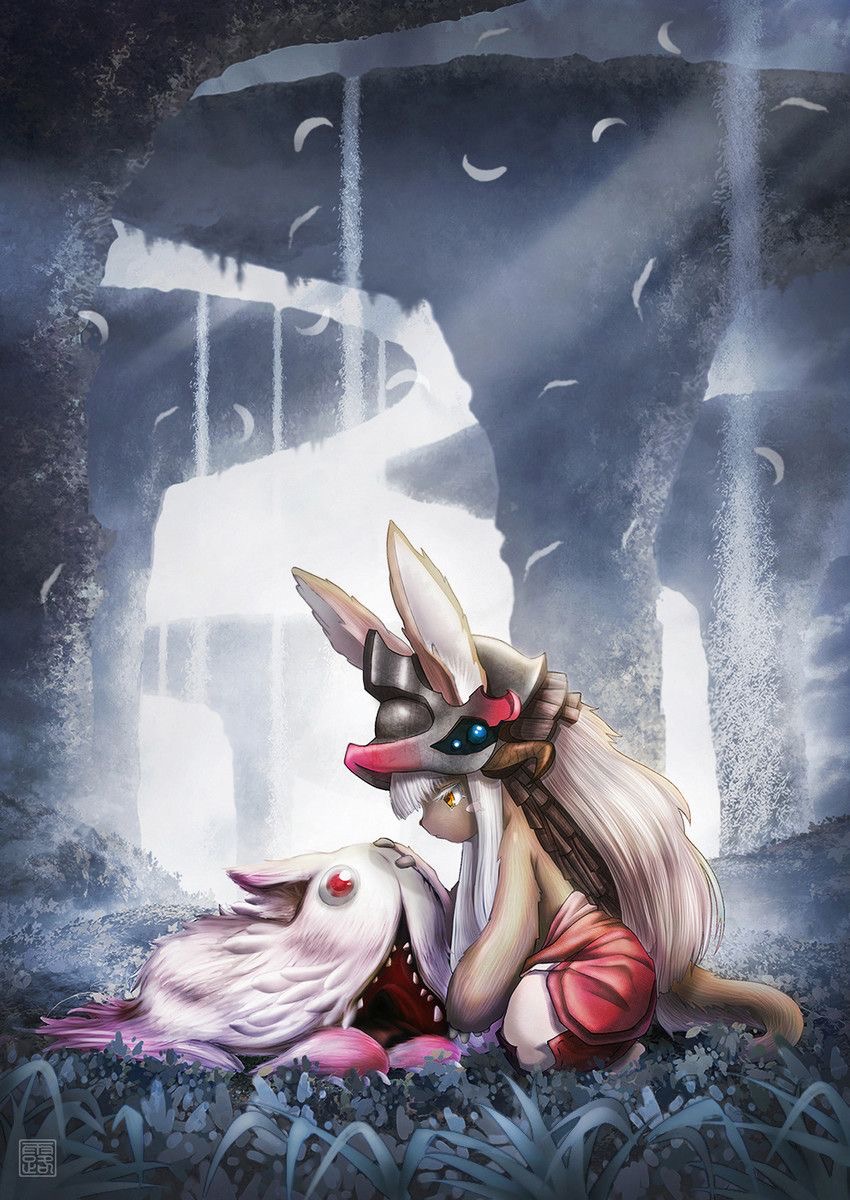
Fumetsu no Anata e Season 3 –
Everything the author of this work creates carries what we can call true art, always subtly conveying profound, reflective, and intensely emotional messages, qualities typical of a masterpiece. I am a devoted fan of this anime, but this season moves beyond the point where I followed the manga continuously. Therefore, my expectations, although positive, are not yet fully formed. There is some apprehension, as the little I have read, in scattered chapters of the part that will be adapted, did not please me that much. Even so, I sincerely hope this impression is mistaken, because I love this franchise too much.
Regarding the production, the director and studio remain the same as in the second season, which, in my view, truly shined from the middle onward (especially since the manga’s story in this segment is so sublime that it would favor any adaptation). However, the first part of the season suffered from a rushed adaptation, wasting the potential of extremely important dramatic scenes. Perhaps that is why most consider the first season superior. I, however, see more value in the second, precisely because in that part it would have been impossible even for this direction to compromise the work’s grandeur.
Tomodachi no Imouto ga Ore ni dake Uzai –
I don’t quite understand the reasons why this is considered one of the most anticipated anime of the upcoming season. Perhaps part of the explanation lies in the fact that the titles below it do not seem as promising, or because the romance genre of this work still has high demand and little supply this season. It could also be the merit of the promotional material, which features eye-catching scenes and charismatic characters, besides making the anime appear technically well-produced.
That said, there are several points of concern. The manga and light novel are not highly rated, the studio in charge is small, and the director, although experienced, has built his career mainly directing individual episodes rather than entire seasons. His most notable work as chief director is Kanojo, Okarishimasu, which, admittedly, despite some successes, failed to fully explore the manga’s true potential and even introduced deeply regrettable cuts and changes.
Furthermore, the premise revolves around a love triangle, a formula already repeated in countless works. And although the characters have some charisma, they are essentially constructed from stereotypes widely spread in the genre, which, for many, can feel tiresome.
Tondemo Skill de Isekai Hourou Meshi 2 –
Second season of an anime with average production and a generic premise. It is somewhat surprising to see it among the most anticipated; this is probably due to the success of its predecessor, which, although poorly rated and equally generic, achieved good audience numbers and a significant MAL member base. Regarding the work’s concept, it is a comedy that mixes isekai, slime, and food. More than that, it functions as a reinterpretation of other well-known anime in a more comedic format.
Saigo ni Hitotsu dake Onegai shitemo Yoroshii deshou ka –
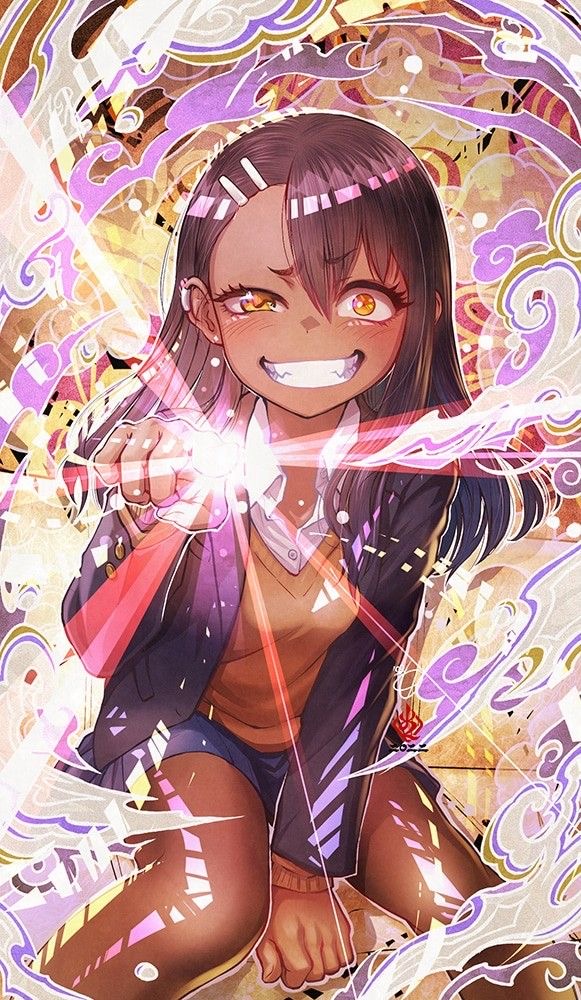
A revenge anime starring a woman who has been abandoned, wronged, and ridiculed. If the premise focused solely on this aspect, we would have something simple but with great potential. The problem is that the protagonist decides to carry out her revenge literally by punching, which makes the premise caricatured and unrealistic.
Watching the trailer, I also noticed that, technically, there is nothing to suggest above-average quality. To top it off, in the first few seconds I felt a strong sense of sympathy, but soon after, it was followed by a mix of disappointment and secondhand embarrassment.
Ranma ½ (2024) 2nd Season –
I haven’t watched the first season, nor the acclaimed 1989 version with its 161 episodes, and I haven’t even read the manga. Therefore, I don’t consider myself the most qualified person to comment on this anime. Still, if I had followed the first season, I would most likely continue with the second, mainly due to the weight the name Ranma ½ carries within the otaku community, being regarded as a true classic. Moreover, I see a lot of potential in its comedy premise, provided it is well developed.
Nageki no Bourei wa Intai Shitai Part 2 –
I tried watching the trailer, but ended up falling asleep, and I don’t intend to risk a second attempt. I then turned to the synopsis, but also fell asleep on the first try (at least on the second attempt, I managed to finish reading). The manga is not well rated, the first season of the anime also didn’t stand out, and in my view, the biggest problem is that everything feels excessively generic. Perhaps the only minimally distinctive feature is the premise of a protagonist who, despite being weak, continues to hold the position of group leader.
3-nen Z-gumi Ginpachi-sensei –
A spin-off of Gintama. Do I need to repeat? It’s Gintama. No introduction needed. From the trailer, the premise seems to be a mix of Gintama, Great Teacher Onizuka, and Cromartie High School. Honestly, I believe it will be hilarious, but I have my doubts about how much it can attract those who haven’t watched the main work in its entirety, even if it is “just” a spin-off.
Kekkon Yubiwa Monogatari II –
Another sequel this season, another sequel of a generic isekai anime, with average production and poorly rated on MAL, whose first season I didn’t follow. For those who don’t remember, it’s that cringe-worthy anime in which the protagonist has to form a harem by marrying five princesses to gain powers. If it were just outrageous, it might even offer a hilarious premise, but in the end, it’s just another generic isekai, on top of that produced by the same studio and director.
Watashi wo Tabetai, Hitodenashi –
A lesbian mermaid on a quest to devour a high school girl. LOL… No way! If the lewd content were actually over the top, I could even understand someone choosing to watch it, but I highly doubt it. It will probably just boil down to the mermaid constantly saying she wants to “eat” the high school girl. LOL… What a mess!
Ansatsusha de Aru Ore no Status ga Yuusha yori mo Akiraka ni Tsuyoi no da ga –
Let’s get straight to the problems: both the manga and the novel are poorly rated, and the premise of the work is basically just another action-adventure-fantasy isekai. From the trailer, the animation works very well at times, but in other moments it resorts to CGI that drags down the overall result, leaving it just above average. I know I can’t expect every production to reach Ufotable’s level, but it’s still frustrating.
On the other hand, there is good attention to character and environment design. I really liked the music and the vibe of the first half of the trailer. Additionally, I admit I have a certain fondness for dark-toned overpower protagonists, and works that follow this formula usually attract a significant audience. Therefore, I don’t think this anime will be a game-changer, but I bet it will end up among the most popular of the season.
Sanda –
A production by the studio Science SARU, known for taking on more cult, experimental, and out-of-the-box projects, such as Devilman Crybaby, Dandadan, Inu-Ō, Heike Monogatari, and Eizouken. Even before realizing it was by SARU, the first association that came to mind while watching the trailer was precisely Dandadan.
I would say that Sanda follows a similar path, blending mystery, action, and surreal elements, but without the same intensity of bizarreness. Therefore, since I don’t believe it will reach the level of madness of Dandadan, the consequence is likely that it won’t have the same impact in terms of popularity. Additionally, I wasn’t pleased with some of the character designs.
Personally, Japanese mysteries don’t appeal to me, so I probably won’t follow it. However, for those who enjoy this type of narrative, which mixes suspense, action, and a touch of school shounen, it could be an interesting work to keep an eye on.
Himekishi wa Barbaroi no Yome –
This is a romantic comedy set in a medieval fantasy world. This type of premise has already had its peak, and although it doesn’t generate the same enthusiasm as before, it usually doesn’t deliver anything disastrous. One point in its favor is the small number of characters, which, in this format, can be positive, as it tends to focus on the protagonists and the dynamics of the romantic comedy.
Watching the trailer, I found the characters likable, especially the female protagonist. However, I have some reservations: the studio is small, the original manga isn’t very highly rated, and it remains to be seen whether they will be able to balance humor and romance well, which is essential for the success of the work.
Kakuriyo no Yadomeshi Ni –
This is the second season, with the first having been released in 2018. Getting a continuation after seven years is remarkable, especially considering that the first season was not very successful. This highlights the scarcity of new material in the anime industry.
As for the studio, it is a good studio that delivers competent productions. Therefore, the trailer of this anime suggests that the work is well produced, despite the director being quite inexperienced. With that in mind, I don’t know exactly what to expect from this season, but I don’t intend to follow it, since I haven’t watched the first season and I’m not a big fan of the supernatural theme involving anthropomorphisms and gourmet elements.
Bukiyou na Senpai –
A romantic comedy with adult characters, set in adult contexts and dealing with situations typical of this stage of life. In theory, it is an anime aimed at an adult audience, but from my experience with works of this type, I suspect it won’t be that mature. From the trailer, I believe the comedy will be limited to some comic relief, while the narrative will focus more on the challenges of adult life, such as work, to develop the plot and drive the romance between the protagonists. This work could turn out to be interesting, but its enjoyment will probably depend more on the viewer’s mood at the moment than on the demographic the anime targets.
Kingdom 6th Season –
Sixth season. I’ve already written texts about the previous seasons, but I’ve never watched any of them. This makes me tired of talking about the franchise, so I won’t go into critiques or descriptions, as probably only those who followed the previous five seasons will be interested in this continuation.
Uma Musume: Cinderella Gray Part 2 –
This isn’t the first anime we’ve seen featuring little girls who are part human, part animal, competing on tracks as if they were racehorses. Personally, I’m not interested in this type of work, so I don’t intend to watch it. Still, I can note that the first part received great reviews and seems well produced. Additionally, it is an anime aimed at an adult audience, which can allow for more complex writing and plots. Finally, this work has become one of Rodrigo’s favorites, which alone justifies giving at least some consideration to watching it.
Chitose-kun wa Ramune Bin no Naka –
I hope this trailer isn’t deceiving me and that the work stays at this level, because everything looks so beautiful, detailed, fluid, and well-animated, which won me over.
The work is a school romantic comedy, with an attractive protagonist who will likely win over some interesting girls. It’s not an innovative premise, and the anime seems well aimed at a teenage audience. Additionally, it is being produced by a studio specialized in this type of work. Therefore, I conclude that it will be very successful among its target audience, but unless there is some unique element I’m not yet aware of, it probably won’t stand out beyond that.
Wandance –
I admit that, like most people, I’m usually cautious about anime involving dance and music. However, some good ones always appear, and this might be one of them. What caught my attention the most is the issue of the protagonist being a stutterer, an element that certainly enriches the content, provokes reflection, and can lead to good dramatic moments.
The studio in charge is Madhouse, which has shown a return to the form that made it renowned, as we saw in Sousou no Frieren. I also liked some of the character designs and parts of the trailer. Additionally, the original manga has relatively positive ratings, which raises expectations around the adaptation.
Akujiki Reijou to Kyouketsu Koushaku –
Another gourmet anime, another one based on eating monster meat. In Shokugeki no Souma, the gourmet aspect works because the dishes are real, prepared with real ingredients, and, besides that, the work offers much more than just the culinary element. In Dungeon Meshi, although the ingredients are monsters, let’s be honest, almost no one watches it for that detail: it’s just a device to create plot challenges. What really attracts the audience there is the adventure, the action, and the drama.
Chichi wa Eiyuu, Haha wa Seirei, Musume no Watashi wa Tenseisha –
The premise features a little girl with magical powers over the elements of the periodic table, who is also the reincarnation of a scientist from the real world in a fantasy world. The problem is that there is nothing there suggesting an intriguing conflict or even a hook capable of sparking interest. What really stands out are recycled clichés and creative choices that are, at the very least, questionable in taste.
Mushoku no Eiyuu: Betsu ni Skill Nanka Iranakatta n da ga –
The story takes place in a fantasy world where a boy, the son of someone important, apparently is born without talents, but deep down possesses great power and, therefore, doesn’t receive a skill class. In short, it’s another variation of the overused story of the hero with hidden talent that will inevitably awaken. The question is: what else can this work offer beyond this beaten cliché? So far, everything points to a poor and unappealing narrative.
Sekai Munchkin: HP1 no Mama de Saikyou Saisoku Dungeon Kouryaku –
The premise is interesting, with a very satisfying introduction, but to get straight to the point, it is a survival story in which a pair of siblings must traverse a dungeon with only one HP point. Based on the premise alone, I would place high hopes on this anime. However, there are some warning signs: it is the first anime produced by this studio, and the original manga is not highly rated, raising doubts about the quality of the story development and the studio’s ability to deliver something consistent.
Yasei no Last Boss ga Arawareta! –
The story follows the protagonist, who has been reincarnated or transported into the body of the antagonist from another fantasy world, which is no longer a game. The central theme is a role reversal, where the classic villain or antagonist becomes the protagonist. The premise itself isn’t bad, but it lacks elements that make the narrative more engaging and impactful. Watching the trailer, some character designs seemed generic or odd to me, while the graphics, overall, appear average and ordinary. The soundtrack also doesn’t stand out, maintaining a generic and unmemorable tone.
Ao no Orchestra 2nd Season –
There are anime that explore musical themes and become true masterpieces, but in general, I’m not very fond of this type of approach and I don’t tolerate just any production. Furthermore, there are countless examples of works in this genre that are bad, which increases my skepticism. This is the second season, keeping the same studio and director, and the first season was a failure both in audience reception and ratings. Therefore, I have even more reasons to be doubtful. Expecting something different while repeating the same formula doesn’t seem like a wise decision.
Tensei Akujo no Kuro Rekishi –
Finally, a typical shoujo this season. The story revolves around the protagonist, who reincarnates as the villainess of the stories she used to write. At least this time, it’s not a game she used to play. I’ve watched a few shoujo series and liked several of them, but I must admit I’m not the target audience for this type of work, and I’m not fond of reverse harems. That said, I watched the trailer, and everything looked very cute and romantic, the kind of work that, if I were a girl, I would probably enjoy, despite being produced by the infamous studio Deen.
Shinjiteita Nakama-tachi ni Masmorra Okuchi de Korosarekaketa ga Presente "Mugen Gacha" de Nível 9999 no Nakama-tachi wo Te ni Irete Moto Membro do Grupo para Sekai ni Fukushuu & "Zamaa!" Shimasu! –
A revenge anime in which the protagonist is expelled from his guild and betrayed by his former companions, but manages to escape and falls into the most dangerous dungeon in the kingdom. With the help of his Unlimited Gacha magic skill, he randomly summons level 9999 fighters. Three years later, he has built a kingdom within the dungeon and now plans to take revenge on his betrayers.
Revenge-themed stories always resonate with me, and I enjoy an overpower hero, especially when surrounded by powerful and attractive girls. The downside is that the original manga doesn’t have very good ratings. Still, it’s an anime worth betting on; even if it doesn’t become a masterpiece, it will hardly disappoint those who decide to watch it.
Yano-kun no Futsuu no Hibi –
A high school romance set in a high school. The central conflict revolves around the male protagonist, who is clumsy and accident-prone, and the female protagonist, who wants to help him. The work is reminiscent of Shikimori-san, but differs in the characters’ ages, graphics, and realism: in Shikimori-san, the protagonist has extraordinary strength to protect and assist her partner.
My impression is that this anime might suffer from the same problem as Shikimori-san, which is having a premise too simple to sustain a plot over multiple episodes. In the case of Yano-kun no Futsuu no Hibi, since there is no heroine with extraordinary abilities, the narrative potential seems even more limited.
Kao ni Denai Kashiwada-san to Kao ni Deru Oota-kun –
Another high school romance. The central premise revolves around the contrast between the male protagonist’s excessive facial and bodily expressions and the female protagonist’s complete lack of expressiveness. This contrast creates a subtle bond between the two, giving rise to the romance. Personally, I am skeptical that this single element can sustain an interesting narrative throughout an entire season. Additionally, it is the studio’s second anime.
Kimi to Koete Koi ni Naru –
One thing that really makes me uncomfortable in anime is romance between anthropomorphic beings and humans. I understand that there may be a metaphorical intention behind these appearances, but, in the end, it still represents zoophilia, which I find problematic and unacceptable. Sickening!
Mikata ga Yowasugite Hojo Mahou ni Tesshiteita Kyuutei Mahoushi, Tsuihou sarete Saikyou wo Mezashimasu –
A hero rejected for being considered weak finds a new chance by joining another group, aiming to become stronger and prove his true worth. The unique aspect of this work is that the protagonist was never truly weak; it was his former companions who were. He always focused on support magic, strengthening others instead of shining alone. It’s true that the premise carries many elements already heavily explored in the genre, but there are nuances that can make the work interesting and justify its appreciation by some viewers.
Sozai Saishuka no Isekai Ryokouki –
A fantasy isekai focused on exploration and gathering rare items and valuable resources, including certain exotic foods treated almost like treasures. The action here is minimal, if not entirely absent. To be frank, I consider the premise limited and emotionally low-impact, without significant appeal to sustain a truly engaging plot.
Kikaijikake no Marie –
The story follows the interactions between Arthur, a wealthy heir skeptical of humans, and Marie Evans, a former martial arts prodigy who, in debt, accepts a job as a servant hired by Arthur’s butler, pretending to be a robot. The work draws on some classic elements, but I have to admit there is a certain originality in this romance, which is precisely what I value most. It doesn’t need to be entirely original: it can use clichés and generic devices, as long as it knows how to mix them and bring some relevant innovations.
Taiyou yori mo Mabushii Hoshi –
A school shoujo about the unpopular girl who falls in love with the most popular, kind, and soccer-playing boy at school. But what does this really offer that is unusual compared to real life? Don’t girls find guys like this attractive all the time? Frankly, I see nothing extraordinary, and the ordinary is uninteresting. Perhaps the only appeal is serving as escapism for those who dream of experiencing this type of idealized romance, even if only in fiction.
Towa no Yuugure –
The story takes place in a post-apocalyptic world, in ruins and governed by the OWEL organization. After awakening from a long cryogenic sleep, the protagonist encounters an extremely powerful girl who resembles his former girlfriend. The plot develops as he agrees to travel with this newly met girl while searching for signs of his old love. From the trailer, it’s clear that the anime is well-produced, with visually impressive action scenes and a consistent dramatic tone, addressing reflective dilemmas. Among them, questions arise about the true meaning of emotional bonds and traditional marriage, which in this world has been replaced by the "Elsie" system. The work thus presents solid content for an engaging plot and elements capable of holding the audience’s attention.
Chanto Suenai Kyuuketsuki-chan –
A school romance in which the protagonist helps his love interest, a vampire classmate, learn how to suck blood properly. LOL… Major dilemma!
Egao no Taenai Shokuba desu –
An anime from a new studio that explores the life of a beginner shoujo manga artist. Interestingly, the anime is directed by a woman and features an entirely female cast: the editor, the assistant, and the mangaka herself. It sounds ironic, perhaps autobiographical, and certainly timely. If I were an industry-award critic, I would probably rate it well, since critics often sympathize with works that depict the industry itself. But I’m not that kind of critic, and my experience with anime about the manga industry has never been the best.
The trailer doesn’t help either: mediocre, generic, and identical to twenty others I’ve seen this season. It feels like they all come from the same "Ctrl+C/Ctrl+V" factory. I do enjoy something more mature that engages with otaku culture, but the biggest problem here is the lack of a clear plot. The premise seems to be just someone talking about their own work and trying to extract comedy from it.
Sawaranaide Kotesashi-kun –
From the cover, it looks like a sports anime, but the sport is only a secondary detail. In the first few seconds of the trailer, I got the impression of a Sono Bisque Doll of sports. However, by the end, it became clear: this is a harem that almost turned into hentai.
It’s not just an anime with ecchi elements; the central premise is ecchi. The plot revolves around a masseur for beautiful athlete girls who reach orgasm during sessions. On top of that, he’s also the dormitory administrator, responsible for their physical and psychological well-being. LOL… It’s like putting a fox in charge of the henhouse.
Shuumatsu Touring –
A possible translation of the title would be “Riding a Motorcycle at the End of the World.” The anime tries to convey a positive atmosphere, a certain high-spirited feeling in the face of the apocalypse. It’s almost like offering a prisoner about to be executed the right to one last cigarette.
It’s a seinen with a deep, reflective, serious, and impactful narrative. However, for me, it’s difficult to face a work whose premise is perhaps showing the last surviving people of Japan traveling by motorcycle through a ruined world and still having fun, as if saying goodbye. For those willing to reflect, the experience becomes very heavy, and paradoxically, the attempt to provide an optimistic perspective only reinforces this weight, making everything even more melancholic.
Gnosia –
Watching the trailer, the first thing I thought was: this is amazing. Visually well-produced, with an atmosphere reminiscent of cyberpunk. I immediately checked who was behind it and, to my delight, it was Aniplex. It makes sense, as this work follows exactly the line that the studio used to bet on and that made it successful: large-scale science fiction productions.
The plot takes place inside a spaceship where, among the crew, there is an alien disguised as a human trying to eliminate the others. The result is an atmosphere of absolute paranoia, where everyone distrusts everyone else and every decision could be the last. In certain aspects, it resembles Alien: The Eighth Passenger. In short, it’s well-produced suspense, tense, with science fiction and a survival game element.
Toujima Tanzaburou wa Kamen Rider ni Naritai –
This anime is clearly aimed at a very niche audience, but it promises a strong emotional appeal for those who fit into it. The main target is older men, around 40 years or older. Not only because the protagonist is that age and is pursuing a childhood dream, but also because his fantasy is to become a Kamen Rider.
The work delves into the Super Sentai universe, a genre that is still alive in Japan today but whose global peak occurred between the 1980s and early 1990s. It is precisely for this nostalgic audience, who grew up during that period, that the anime is intended, offering a dose of nostalgia wrapped in heroic fantasy.
Let's Play: Quest-darake no My Life –
A romantic comedy aimed at gamers, but with a slightly different approach than usual. The protagonist is a game developer about to achieve her dream with the release of her first video game. Everything seems to be going well until a famous streamer harshly criticizes her game. To make matters worse, she discovers that the problematic critic is now her new neighbor, blending romance, comedy, social anxiety, and professional conflicts in a fun way.
Debu to Love to Ayamachi to! –
An anime about a fat girl considered unattractive who falls in love with someone extremely handsome. Although it likely has comedic moments, I don’t like the work, mainly because of the message it conveys. It suggests that simply having self-confidence, accepting oneself, and feeling beautiful is enough for the world to accept you and offer everything you want, without any real effort, just by changing self-perception. In practice, this is misleading and not very useful: obesity is not just an aesthetic issue but also a health concern. I dislike that this kind of illusion is sold, even within a fantasy.
Shabake –
I enjoy anime set in historical periods of Japan. What I usually don’t like is when the supernatural element becomes the central focus of the work. In this case, the premise is even more peculiar: the protagonist is guided, protected, and assisted by demons to solve murder cases, in a sort of Japanese version of Sherlock Holmes.
Ninja to Gokudou –
An anime from Studio Deen, which already raises some concern just hearing the name Deen, worsened by the fact that the director is the same as Tokyo Ghoul:re. The main premise revolves around a war between ninjas and yakuza, unexpectedly disrupted by a bromance between a member of each group. Honestly, I can’t see anything truly interesting in a plot that seems to boil down to this bromance.
Potion, Wagami wo Tasukeru –
An isekai where the protagonist discovers a book that grants him a special power: by saying the word “create,” he can produce potions. Essentially, the entire premise revolves around creating potions while he tries to find a way back to Japan. Honestly, can someone explain to me what’s actually interesting about this?
Nohara Hiroshi: Hiru Meshi no Ryuugi –
A gourmet comedy centered on a salaryman and the typical daily activities of his routine. Can anyone find any motivation to watch this? Neither can I.
Hyakushou Kizoku 3rd Season –
A comedy anime with a very simple production and episodes of only 4 minutes. I don’t know exactly what the plot is; all I know is that it involves some cows and it’s already in its third season. Therefore, I don’t plan to watch it; I would only do so if I still watched TV and caught it airing between programs.
SI-VIS: The Sound of Heroes –
Musical anime always raise suspicion of actually being advertisements for bands or songs disguised as anime. At least the synopsis claims that the protagonists are disguised heroes, but I’d say it’s probably the opposite. KKKKKK… In the end, I didn’t find anything truly interesting about this work.
Kagaku x Bouken Survival! 2nd Season –
On MyAnimeList there is no synopsis available, neither for this season, the first, nor the special. Only in one of the two movies do we find a brief one-line description. This is, in fact, an educational anime, with no concern for offering an engaging narrative, subtle messages, or elaborate writing. The goal here is not entertainment, but teaching in the bluntest way possible, without any other commitment. Boring!
Ganglio –
The story follows a low-ranking soldier serving the Ganglion corporation (basically one of Rita’s henchmen from Power Rangers), whose mission is to assist in plans for world domination. Following the routine of a “low-level soldier” doesn’t seem exciting at first glance. However, the work tries to gain relevance by exploring dilemmas of ambiguous morality, such as the choice between corporate loyalty and justice, as well as touching on themes of authoritarian control, drama, action, and a hint of science fiction. The problem is that this is the studio’s first anime, and so far there isn’t even a trailer available.
Monster Strike: Deadverse Reloaded –
It is perfectly possible to insert a game advertisement into an anime or adapt a game to this format and still deliver something that works, sometimes even something very good. However, that does not seem to be the case here. Monster Strike feels more like a poorly disguised advertisement than a real anime.
Shibuya♡Hachi Part 4 –
A two-minute-per-episode anime; I’d rather refrain from commenting.
Muzik Tiger In the Forest 2nd Season –
A one-minute-per-episode anime; I prefer to refrain from commenting.
Jochum Season 2 –
Also a one-minute-per-episode anime; I prefer to refrain from commenting.
Chikyuu no Latair –
There is no clear information about the episode lengths, but it is likely five episodes of one to two minutes each. Given that, I also refrain from commenting.
Alma-chan wa Kazoku ni Naritai –
The story revolves around an android who wants to understand humanity, form bonds, and understand the relationship of the couple who took her in. This plot could work well as a subtheme within a larger story, but on its own, it feels limited. Sustaining an entire season solely on this tends to be tedious. Moreover, the trailer doesn’t help: the robot’s design is awkward, generic, and lifeless—the opposite of what you would expect from a “robot with a soul.”
Although there are many negative criticisms about this work, overall, this anime deserves a perfect score of ten out of ten. However, when divided by arcs, the evaluations vary somewhat. The first arc, "Phantom Bullet," spans from episode 1 to 14; the second arc, "Calibur," covers episodes 15 to 17; and the third arc, "Mother's Rosario," spans from episode 18 to 24. The first arc is worth between eight and nine, the second between five and six, and the third arc is so extraordinary that it deserves a score of a thousand.
Story - 10/10
Regarding the plot, I will focus specifically on the final arc, "Mother's Rosario," as it is the best of all. This arc alone carries the season and justifies watching all the others, even if they were terrible, which they are not.
The most valued aspect of a plot is its content; the richer and more varied it is, the higher the score the work deserves. In Sword Art Online II, in the "Mother's Rosario" arc, a wide range of themes is explored in a harmonious and non-contradictory manner, encompassing deep moral, social, and philosophical reflections. These themes are conveyed in diverse and skillful ways, further enriching the narrative.
1. Diseases: The series addresses mobility-restricting and incurable diseases in a poignant, sensitive, and realistic manner, which is extremely relevant. Each member of Yuuki's group faces terminal illnesses, providing deep reflections on life, mortality, and ways to cope with these conditions. Yuuki, in particular, is depicted as having a severe form of acquired immunodeficiency syndrome (AIDS) that is resistant to medication, adding complexity and empathy to the narrative.
2. Generational Conflict: The clash between Asuna and her mother exemplifies the challenges exacerbated by rapid technological advancement. This is explored through the older generation's misunderstanding of the new reality brought about by technology, confronting established standards and values.
3. Meaning of Life: A widely discussed philosophical theme since ancient times by the Stoics, but always relevant. In Sword Art Online II, we find an unusual perspective on the meaning of existence, especially in Yuuki's final moments. The series presents finding meaning in life through fulfilling moments, even in an existence marked by extreme suffering and despair. The central message is one of encouragement, perseverance, and hope, showing that simply being alive can be a source of happiness.
4. Diverse Realities and Virtual Worlds: The use of technology to create virtual worlds and diverse realities is a central theme. Asuna introduces Yuuki to a new reality of connections and interactions with the real world through the portable cameras she uses, providing moments of happiness and socialization that Yuuki would not otherwise experience. This prompts reflections on the role of technology in the lives of people with physical limitations. Additionally, the anime portrays the possibility for sick individuals to make the virtual world their reality, offering them an alternative way to live fully despite physical restrictions.
5. Reality vs. Virtuality: The series questions the definition of reality, suggesting that for some people, the virtual world can be as real or even more real than the physical world. This provokes deep reflection on how different individuals perceive and experience reality.
6. Artificial Intelligence: The interaction between humans and artificial intelligence is explored in depth, especially through Yui. This raises questions about what defines life and consciousness. Yui is not just seen as a computer program but as an entity with genuine feelings and emotional connections to the protagonists. Since the first arc of the first season, the anime treats Yui as a family member, a daughter of the protagonist couple. In the Mother's Rosario arc, this theme gains even more depth through the character's interaction with the anime's real world.
7. Terminal Patient Treatment: The anime addresses the treatment of terminal patients, showing that even those disillusioned, such as Si-eun, who battled cancer (acute lymphocytic leukemia) for three years, can achieve recovery. By exploring this possibility, the anime not only justifies the costs of medical treatment for people in this stage but also offers motivation and hope to those facing similar situations.
8. Legacy and Memories: The pursuit of leaving a mark, doing something memorable to ensure that one is not forgotten by someone. This aspiration to leave a legacy is a way to remain alive in some manner after death. In the anime, this pursuit is not only exposed but is highlighted through the perspective of those who know they have little time, dramatizing and deepening the importance of a legacy. Furthermore, the work shows that achieving this requires clear goals and a lot of determination, even in critical situations.
9. Death and Solitude: Yuuki, as the central character of this arc, represents loneliness and the struggle against an incurable disease that generated much prejudice against her. Her personal story is an emotional testament to resilience, where she clings to life even after losing her entire family to the same disease, leaving her even more alone. Despite this, Yuuki finds comfort and strength in the love of her virtual friends, making her feel less lonely. When death becomes imminent, her companions refuse to leave her, highlighting how emotional bonds can be meaningful even in the face of insurmountable challenges. According to one of the three principles for the pursuit of happiness advocated by the philosopher Epicurus, "just as in a garden, friendship is as useful as the production of food and as beautiful and enjoyable as the cultivation of flowers."
Art - 10/10
Even among those who criticize the work harshly, it's hard to find someone who speaks ill of Sword Art Online II's art. Discussing the visual quality of this series is almost unnecessary, as it is widely recognized as exceptional.
Sword Art Online II presents some of the best character designs in the genre, with remarkable richness of detail and consistency. The backgrounds are a visual spectacle, filled with vibrant colors, carefully crafted lighting, and visual innovations. The anime's fluidity is of the highest quality, with iconic scenes that serve as reference points for many other anime, especially those involving weapons and gunfire.
If there's one thing Sword Art Online II gets right on the mark, it's the action, largely thanks to the quality of the visuals. The action scenes are executed with almost impeccable fluidity, detailed graphics, and impressive choreography. They are so beautifully crafted that they need no embellishment techniques. All of this is finely tuned to the narrative's pace, bringing action at the most opportune moments of the story. The final arc, in particular, features the best action scenes of the entire series, which thrill, excite, and increase adrenaline.
Sound - 10/10
The soundtrack of Sword Art Online II is one of the series' strongest points, perfectly complementing the emotions and atmosphere of each scene. In this second season, the quality of the soundtrack not only maintained the level and style of the first season but also introduced significant improvements. The music, including the memorable "Luminous Sword," not only enhances immersion but also evokes deep emotional responses in viewers in a way that is hard not to be captivated by.
Characters - 10/10
This is often a controversial point, often due to misunderstanding and defamation. First and foremost, it's important to clarify that there are various types of characters: protagonists, antagonists, supporting characters, and extras. It's unfair to demand the same level of development from all characters for a story to be well-told, as some critics unjustly demand from this work.
The protagonists have their stories and family ties revealed. They evolve, interact with each other, and generate strong emotional attachment from the audience, which is essential for defining a good character. Furthermore, all characters who receive narrative focus in the anime are richly developed. Their motivations, concerns, and aspirations are convincingly portrayed.
It's crucial to understand that not all characters are protagonists all the time. For example, Kirito, in a brilliant plot twist, takes on a supporting role in the final arc. It's important to recognize narrative focus and accept that supporting characters should not be treated as protagonists.
Sword Art Online presents an innovative approach to arcs, where even the anime genre can change from one arc to another, fully justifying the introduction of new characters and elements. Characters from previous arcs, especially from the previous season, do not necessarily need to be developed in this season, as each has its purpose, place, and time within the franchise's plot. As for new secondary characters, especially Yuuki's team members, they are extremely charismatic.
Enjoyment - 10/10
Sword Art Online II is extremely thrilling, something rarely achieved even by acclaimed Hollywood films, which makes this feat even more challenging in anime. Maintaining all the qualities mentioned in the previous topics and effectively conveying emotion is not a simple task. Producing emotion goes beyond content, music, or imagery; it's about placing everything in the right moment and context, and this anime does so splendidly, thanks to its excellent direction.
Even the most critical viewers are likely to be moved by the memorial scene, but it's even harder not to be touched by Yuuki's death. The difference here is that unlike other anime whose dramas evoke only sadness and tears, Sword Art Online II brings a comforting sense of gratitude and hope, which aligns perfectly with the central message of the plot.
Conclusion - 10/10
The way the story is told is truly innovative, standing out for its pace and clarity in communication. The dialogues are well-balanced: they are neither monotonous, nor vulgar, nor confusing, nor excessively expositional; they tie up loose ends without being conflicting, shallow, pretentious, or overly simplistic. In this aspect, everything is executed with precision, with action pauses at just the right moments and drama entering skillfully dosed.
In every arc of this anime, there is a certain dose of suspense present, especially in the final one, which revolves around the mysteries involving Yuuki and her group. This aspect is meticulously worked upon, provoking the viewer to think, providing clues without giving everything away immediately. The only caveat is that the final arc could have been longer to explore these mysteries in a more intriguing manner.
I conclude without exaggeration, without adding anything, just faithfully reporting that while watching, I was genuinely impressed to the point of literally standing up and applauding for a long period. I stopped crying only to smile with gratitude for witnessing something so significant and fulfilling. During the "Mother's Rosario" arc, I cried like I had never cried while watching anything. Therefore, nothing is more just and deserved than this rating.
So why is Sword Art Online poorly regarded and doesn't have a splendid score on MAL?
1. It falls victim to deep-seated prejudices, exacerbated by the Fairy Dance arc in the first season. These criticisms often come from male teenagers, who dominate the site. Unfortunately, once marked in this way, many people do not open themselves to honestly evaluate or appreciate the second season. Additionally, the Phantom Bullet arc of this second season gave Kirito a more effeminate appearance, which also didn't help dispel prejudices.
2. A defamation campaign, promoted by hostile individuals through anime-specific websites, YouTube influencers, and spread by word of mouth, has significantly contributed to the anime's poor reputation. Criticizing Sword Art Online seems to have become a kind of pseudo-cult hobby, a trend where speaking positively about the anime may even be considered against common sense, resulting in attacks and censorship.
Em português:
Embora existam muitas críticas negativas sobre esta obra, no conjunto, este anime merece uma nota dez de dez. No entanto, ao dividir pelos arcos, as avaliações variam um pouco. O primeiro arco, "Phantom Bullet," vai do episódio 1 ao 14; o segundo arco, "Calibur," cobre do episódio 15 ao 17; e o terceiro arco, "Mother's Rosario," vai do episódio 18 ao 24. O primeiro arco vale uma nota entre oito e nove, o segundo entre cinco e seis, e o terceiro arco é tão extraordinário que merece uma nota mil.
História - 10/10
Sobre o enredo, focarei especificamente no arco final, "Mother's Rosario", pois é o melhor de todos. Este arco, por si só, carrega a temporada e justifica assistir a todos os outros, mesmo que fossem terríveis, o que não são.
O aspecto mais valorizado em uma trama é o seu conteúdo; quanto mais rico e variado ele for, maior a pontuação que a obra merece. Em Sword Art Online II, no arco "Mother's Rosario", uma ampla gama de temas é explorada de maneira harmoniosa e sem contradições, abrangendo reflexões morais, sociais e filosóficas profundas. Esses temas são transmitidos de formas diversas e habilidosas, enriquecendo ainda mais a narrativa.
1. Doenças: A série aborda de maneira contundente, sensível e realista as doenças de restrição à mobilidade e incuráveis, temas que são extremamente relevantes. Cada membro do grupo de Yuuki enfrenta doenças terminais, proporcionando uma reflexão profunda sobre a vida, a mortalidade e formas de passar por esse momento. Yuuki, em particular, é retratada como portadora de uma forma grave de imunodeficiência adquirida (AIDS), que é resistente a medicamentos, o que adiciona uma camada de complexidade e empatia à narrativa.
2. Conflito Geracional: O embate entre Asuna e sua mãe exemplifica os desafios geracionais exacerbados pelo avanço tecnológico rápido. Isso é explorado pela incompreensão da geração anterior sobre a nova realidade advinda de uma forma de viver que a tecnologia traz, confrontando-se com os padrões e valores já estabelecidos.
3. Sentido da Vida: É um tema filosófico amplamente discutido desde os tempos antigos pelos estoicos, mas sempre relevante. Em Sword Art Online II, encontramos uma perspectiva incomum sobre o sentido da existência, especialmente nos momentos finais de Yuuki. A série apresenta como encontrar significado na vida através de momentos gratificantes, mesmo diante de uma existência marcada por sofrimento e desespero extremos. A mensagem central é de alento, perseverança e esperança, mostrando que apenas estar vivo pode ser motivo de felicidade.
4. Realidades Diversas e Mundos Virtuais: A utilização da tecnologia para criar mundos virtuais e realidades diversas é um tema central. Asuna, por meio das câmeras portáteis que utiliza, introduz Yuuki a uma nova realidade de conexões e interações com o mundo real, proporcionando-lhe momentos de felicidade e socialização que ela não experimentaria de outra forma. Isso suscita reflexões sobre o papel da tecnologia na vida de pessoas com limitações físicas. Além disso, o anime retrata a possibilidade de pessoas doentes fazerem do mundo virtual a sua realidade, oferecendo-lhes uma forma alternativa de viver plenamente, apesar das restrições físicas.
5. Realidade x Virtualidade: A série questiona a definição de realidade, sugerindo que, para algumas pessoas, o mundo virtual pode ser tão ou mais real do que o mundo físico. Isso provoca uma reflexão profunda sobre como diferentes indivíduos percebem e experimentam a realidade.
6. Inteligência Artificial: A interação entre humanos e inteligência artificial é explorada com profundidade, especialmente através de Yui. Isso levanta questões sobre o que define a vida e a consciência. Yui não é apenas vista como um programa de computador, mas como uma entidade com sentimentos e conexões emocionais genuínas com os protagonistas. Desde o primeiro arco da primeira temporada, o anime trata Yui como uma pessoa da família, uma filha do casal de protagonistas. No arco Mother's Rosario, o tema ganha ainda mais profundidade pela interação da personagem com o mundo real do anime.
7. Tratamento de pacientes terminais: O anime aborda o tratamento de personagens em estado terminal, mostrando que mesmo desiludidos, como no caso de Si-eun, que lutou contra o câncer (leucemia linfóide aguda) por três anos, podem alcançar a cura. Ao explorar essa possibilidade, o anime não só justifica os custos de um tratamento médico para pessoas nesse estágio, mas também oferece motivação e esperança para aqueles que enfrentam situações semelhantes.
8. Legado e Memórias: A busca por deixar uma marca, fazer algo memorável que garanta que não se seja esquecido por alguém. Essa aspiração de deixar um legado é uma forma de permanecer vivo de alguma maneira após a morte. No anime, essa busca não apenas é exposta, mas é destacada pela perspectiva daqueles que sabem que têm pouco tempo, tornando dramática e profunda a importância de um legado. Além disso, a obra mostra que alcançar isso requer objetivos claros e muita determinação, mesmo em situações críticas.
9. Morte e Solidão: Yuuki, como personagem central deste arco, representa a solidão e a luta contra uma doença incurável que lhe gerava muito preconceito. Sua história pessoal é um testemunho emocionante de resiliência, onde ela se agarra à vida mesmo após perder toda a sua família para a mesma doença, o que a deixou ainda mais sozinha. Apesar disso, Yuuki encontra conforto e força no amor pelos amigos virtuais, que a fazem sentir menos solitária. Quando a morte se torna iminente, seus companheiros se recusam a deixá-la, destacando como os laços afetivos podem ser significativos mesmo diante de desafios insuperáveis. Segundo um dos três princípios para a busca pela felicidade defendidos pelo filósofo Epicuro, "assim como num jardim, a amizade é tão útil quanto a produção de alimentos e tão bela e prazerosa quanto o cultivo de flores".
Arte - 10/10
Mesmo entre aqueles que criticam pejorativamente a obra, é difícil encontrar alguém que fale mal da arte de Sword Art Online II. Discutir a qualidade visual desta série é quase desnecessário, pois é amplamente reconhecida como excepcional.
Sword Art Online II apresenta alguns dos melhores designs de personagens do gênero, com uma riqueza de detalhes e consistência impressionantes. Os cenários são um espetáculo visual, repletos de cores vibrantes, iluminação cuidadosamente trabalhada e inovações visuais. A fluidez do anime é de altíssima qualidade, com cenas icônicas que servem de referência para muitos outros animes, especialmente aqueles que envolvem armas e tiros.
Se há algo que Sword Art Online II acerta em cheio, é a ação, muito disso graças à qualidade das imagens. As cenas de ação são executadas com uma fluidez quase impecável, gráficos detalhados e coreografias impressionantes. São tão belas que dispensam técnicas de embelezamento. Tudo isso é otimamente ajustado ao ritmo da narrativa, trazendo a ação nos momentos mais oportunos da história. O último arco, em particular, apresenta as melhores cenas desse tipo de toda a série, que emocionam, empolgam e aumentam a adrenalina.
Som - 10/10
A trilha sonora de Sword Art Online II é um dos pontos mais fortes da série, complementando perfeitamente as emoções e a atmosfera de cada cena. Nesta segunda temporada, a qualidade da trilha sonora não apenas manteve o nível e estilo da primeira, mas também apresentou melhorias significativas. As músicas, incluindo a memorável "Luminous Sword," não apenas aumentam a imersão, mas também evocam respostas emocionais profundas nos espectadores de uma forma que é difícil não ficar deslumbrado.
Personagens - 10/10
Este é um ponto frequentemente polêmico, muitas vezes devido à incompreensão e difamação. Antes de mais nada, é importante esclarecer que existem vários tipos de personagens: protagonistas, antagonistas, coadjuvantes, personagens de suporte e figurantes. Não se pode exigir o mesmo nível de desenvolvimento de todos os personagens para que a história seja bem contada, como alguns críticos injustamente pedem desta obra.
Os protagonistas têm suas histórias e laços familiares revelados. Eles evoluem, interagem entre si e geram um forte apego emocional no público, o que é essencial para definir um bom personagem. Além disso, todos os personagens que recebem foco narrativo no anime são ricamente desenvolvidos. Suas motivações, inquietações e anseios são demonstrados de maneira convincente.
É crucial compreender que nem todos os personagens são protagonistas o tempo todo. Por exemplo, Kirito, em um movimento genial de enredo, assume um papel coadjuvante no último arco. É fundamental reconhecer o foco narrativo e aceitar que coadjuvantes não devem ser tratados como protagonistas.
Sword Art Online apresenta uma proposta inovadora de arcos, onde até o gênero do anime pode mudar de um arco para outro, justificando plenamente a introdução de novos personagens e elementos. Personagens de arcos anteriores, especialmente da temporada anterior, não precisam necessariamente ser desenvolvidos nesta temporada, pois cada um tem seu propósito, lugar e tempo dentro da trama da franquia. Quanto aos novos personagens secundários, especialmente os membros do time de Yuuki, são extremamente carismáticos.
Diversão - 10/10
Sword Art Online II é extremamente emocionante, algo raramente alcançado até mesmo por filmes aclamados de Hollywood, o que torna ainda mais desafiador esse feito em animes. Manter todas as qualidades mencionadas nos tópicos anteriores e transmitir emoção de maneira eficaz não é uma tarefa simples. Produzir emoção vai além do conteúdo, da música ou da imagem; trata-se de colocar tudo no momento e contexto corretos, e este anime faz isso de forma esplêndida, graças à sua excelente direção.
É provável que até mesmo os espectadores mais críticos se emocionem na cena do memorial, mas é muito mais difícil não se emocionar com a morte de Yuuki. O diferencial aqui é que, ao contrário de outros animes cujos dramas evocam apenas tristeza e lágrimas, Sword Art Online II traz uma sensação reconfortante de gratidão e esperança, o que se alinha perfeitamente com a mensagem central do enredo.
Conclusão - 10/10
A forma como a história é contada é verdadeiramente inovadora, destacando-se pelo ritmo e pela clareza na comunicação. Os diálogos são bem equilibrados: não são monótonos, nem vulgares, nem confusos, nem excessivamente expositivos, não deixam pontas soltas, não são conflitantes, nem rasos, nem pretensiosos ou simplistas demais. Nesse aspecto, tudo é executado com precisão, com pausas na ação na medida certa e a entrada do drama é habilmente dosada.
Em todos os arcos deste anime, há uma certa dose de suspense presente, especialmente no último, que gira em torno dos mistérios envolvendo Yuuki e seu grupo. Esse aspecto é trabalhado com esmero, provocando o espectador a pensar, fornecendo pistas sem entregar tudo de imediato. A única ressalva é que o último arco poderia ter sido mais longo para explorar esses mistérios de forma mais instigante.
Finalizo sem exageros, sem acrescentar nada, apenas relatando fielmente que, ao assistir, fiquei genuinamente impressionado ao ponto de aplaudir literalmente de pé por um longo período. Parei de chorar, apenas para sorrir de gratidão por presenciar algo tão significativo e gratificante. Durante o arco "Mother's Rosario", chorei como nunca havia chorado ao assistir algo. Por isso, nada mais justo e merecido do que essa nota.
Por que então Sword Art Online é mal visto e não tem uma nota esplendorosa no MAL?
1. Ele é vítima de preconceitos arraigados, exacerbados pelo arco das fadas da primeira temporada (Fairy Dance). Essas críticas geralmente vêm de adolescentes do sexo masculino, que dominam o site. Infelizmente, uma vez marcado dessa forma, muitas pessoas não se abrem para avaliar ou apreciar honestamente a segunda temporada. Além disso, o arco Phantom Bullet dessa segunda temporada deu a Kirito uma aparência mais afeminada, o que também não ajudou a dissipar os preconceitos.
2. Uma campanha de difamação, promovida por indivíduos hostis através de sites especializados em anime, influenciadores do YouTube e disseminada pelo boca a boca, contribuiu significativamente para a má reputação do anime. Criticar Sword Art Online parece ter se tornado um tipo de hobby pseudo-cult, um modismo onde falar bem do anime pode até ser considerado contrário ao senso comum, resultando em ataques e censura.
Atualizei todas as minhas tags em meu perfil do MAL. Aproveitem as melhores tags de toda a história enquanto continuam gratuitas. Não percam tempo, corram!
Happy new year 🥂🎉
Thank you for your company in this incredible year! I hope that all your dreams and goals come true in this new year.
May good anime and manga be consumed in this new year!!!
All Comments (22) Comments
Entrem no link e curtam a minha análise sobre "Sword Art Online II".
https://myanimelist.net/profile/Tiago_Vaz_007/reviews?p=3
In English:
Em português:
What do you like about my profile?
https://myanimelist.net/profile/Tiago_Vaz_007
Thank you for your company in this incredible year! I hope that all your dreams and goals come true in this new year.
May good anime and manga be consumed in this new year!!!
I hope you enjoy your day, eating good food and laughing :)
Nice to meet you!(っ^▿^)
thanks for the fr!
nice to meet you!