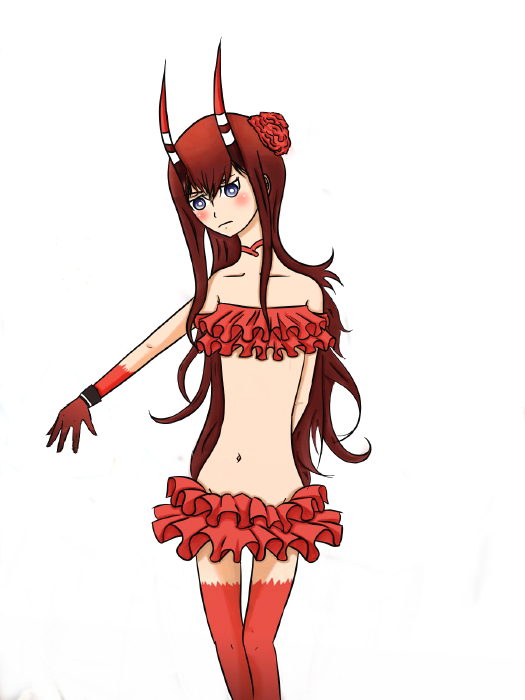
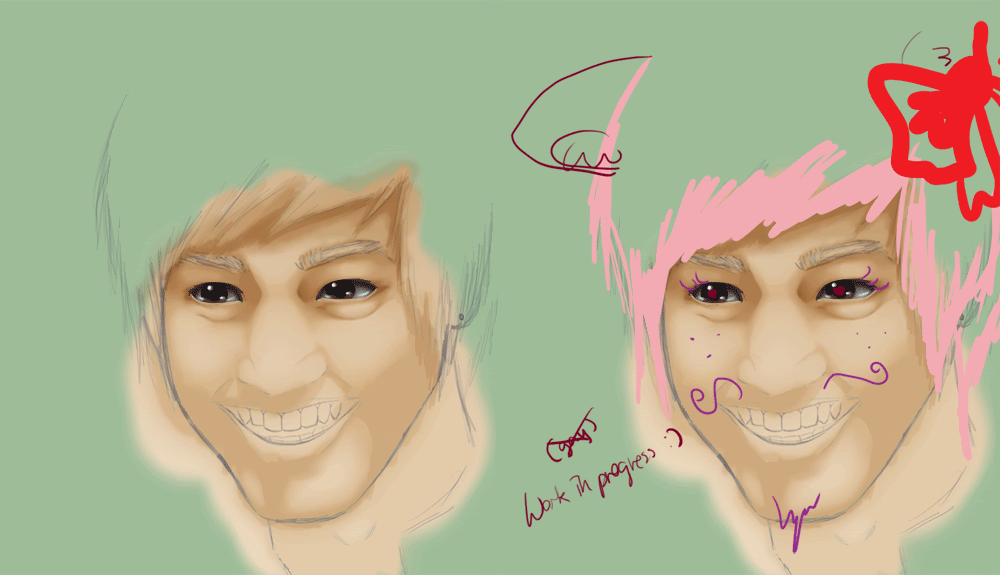
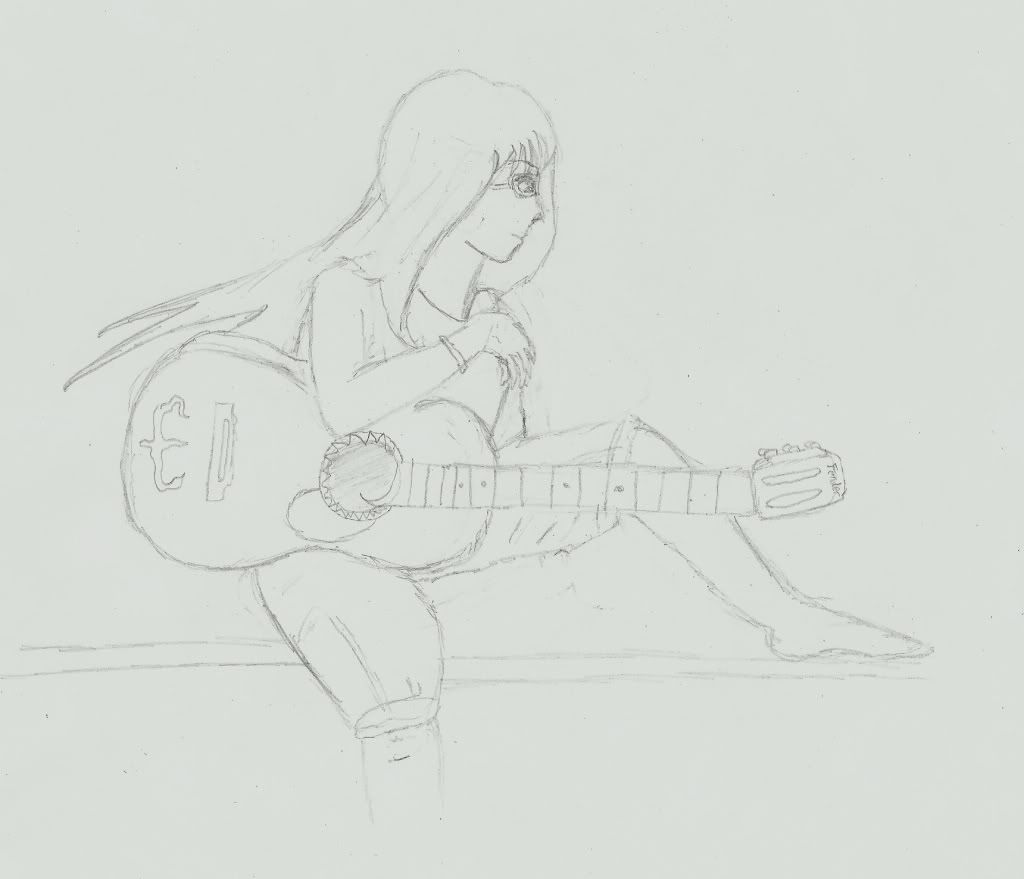
perspective said:Deceptikolz said:@perspective & nINJAkECIL
Your comments are much appreciated, Any good references you can recommend?
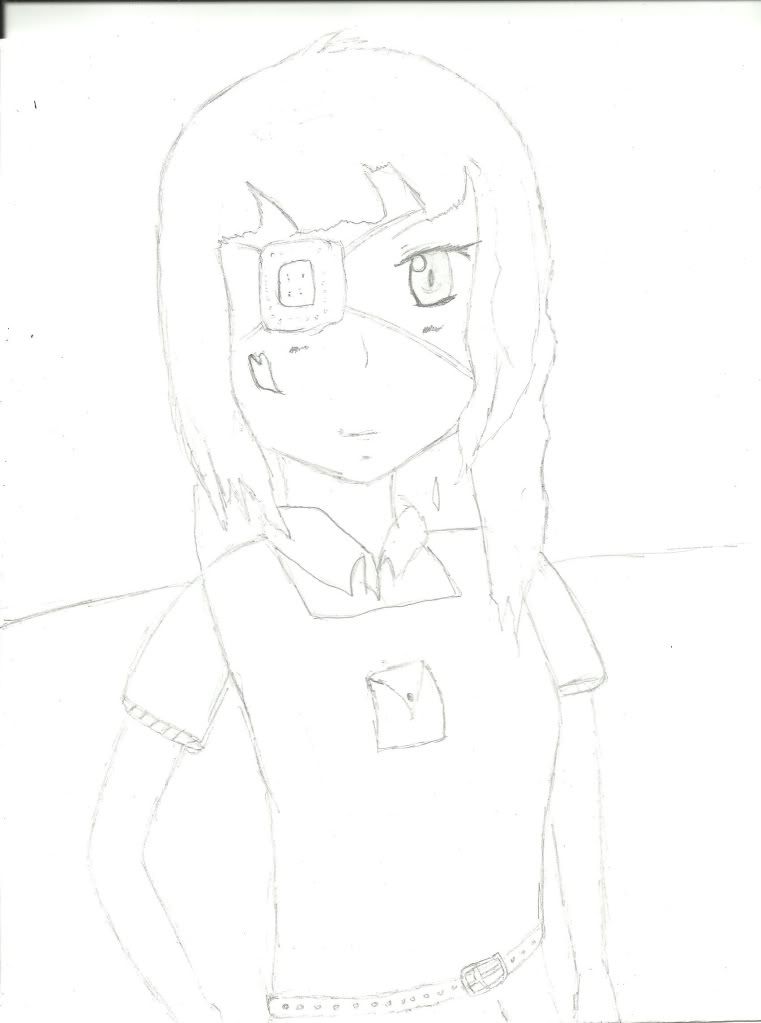
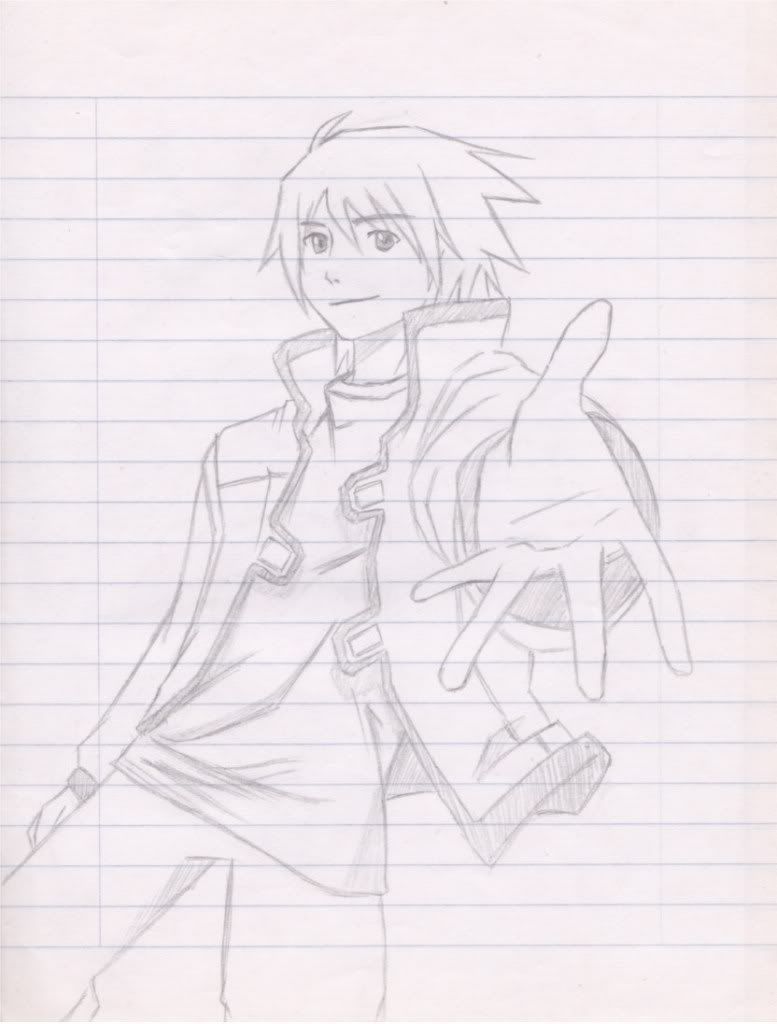
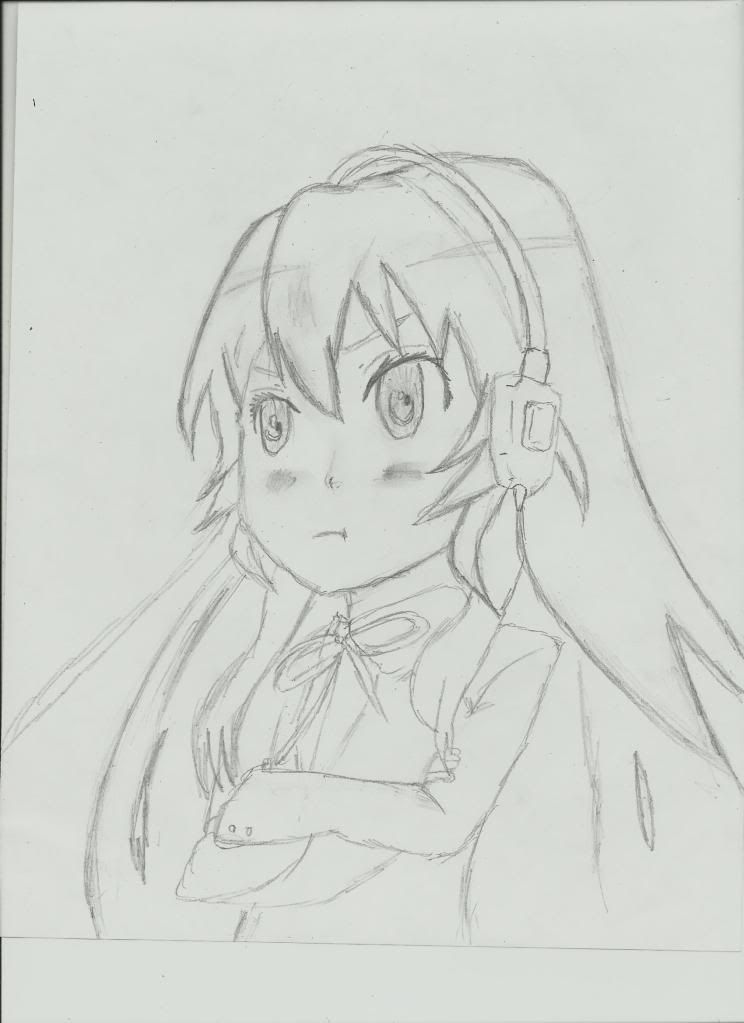
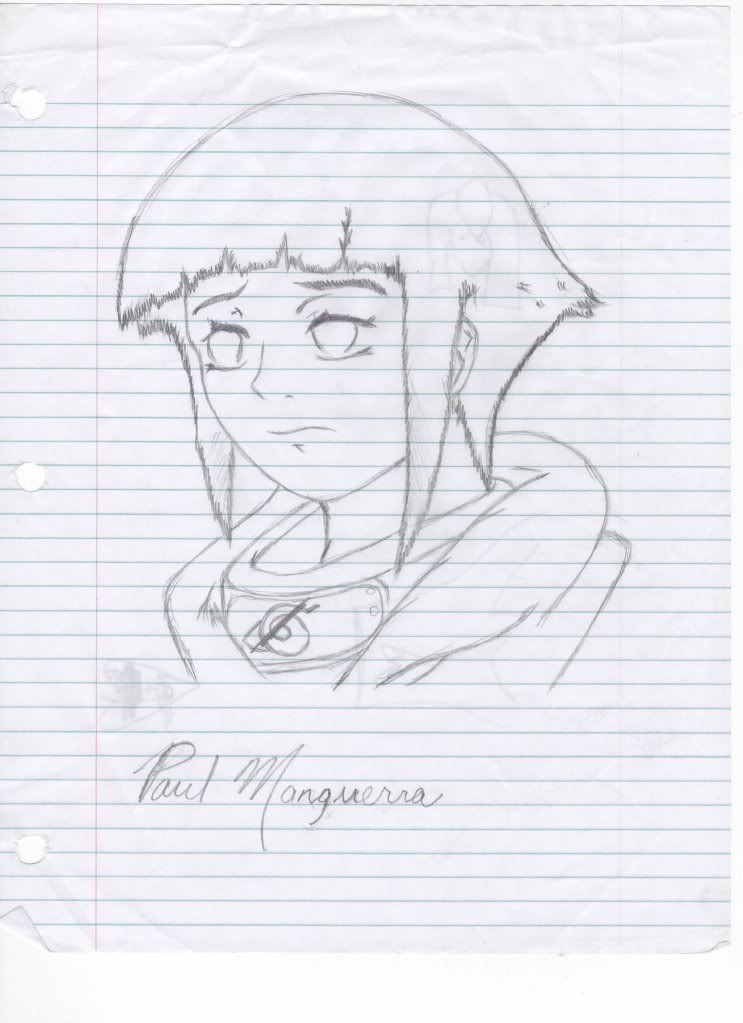
Unfortunately, I cannot find a suitable tutorial online for you. I can only describe it. For one thing, your scanner isn't the greatest, and that makes it harder to critique your line work. I know this because my scanner sucks at picking up my work too.
The basics of line work is this:
1) Line has value. Learn to apply your line with different values ranging from light to dark.
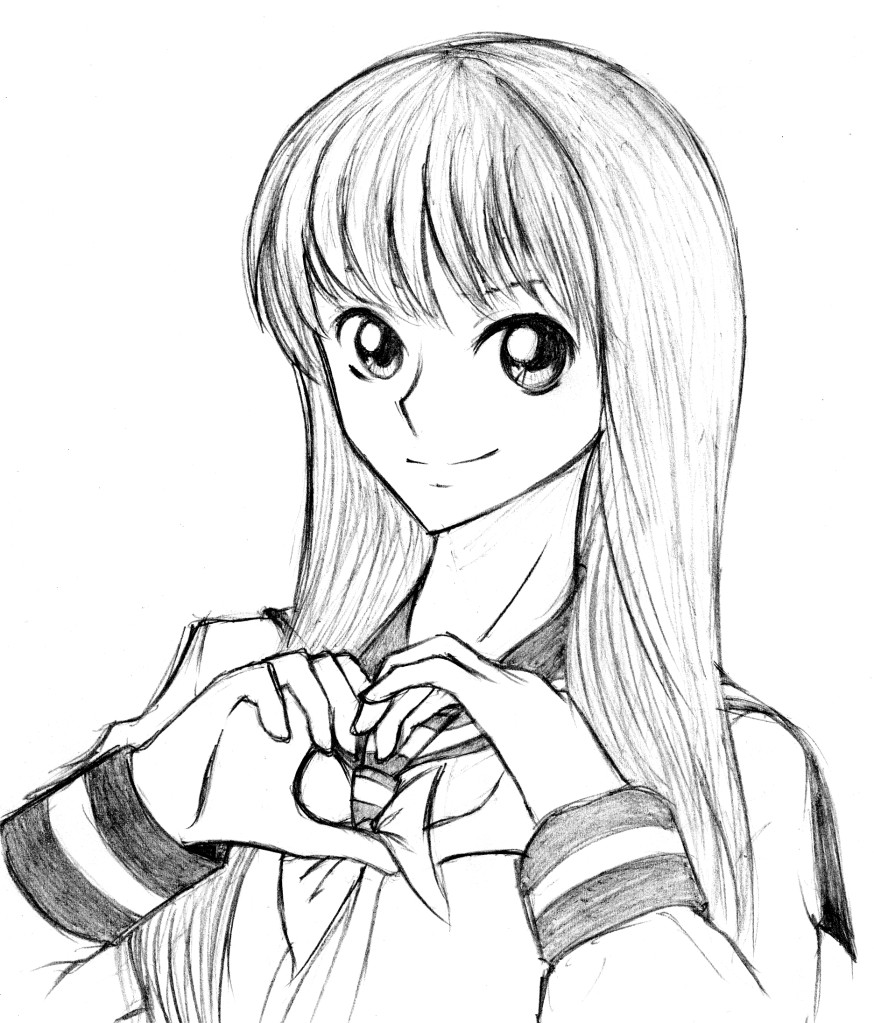
2) Line has thickness, often referred to as line weight. Vary the thickness of your lines wherever possible. Sometimes people get too scared of abusing this, but you should look for areas where you can fill in blacks. This is for example, the underside of curves (which typically don't get light), areas where you know your shade is going to fall, and places where you want to achieve higher contrast (remember your eye is naturally attracted to areas of high contrast). With good line art, you can tell where your light source is coming from without any actual rendering.
3) Try not to chicken scratch your art. Use smooth flowing lines with both of the above qualities and try not to lift your pencil when you draw. Develop this habit so later on in your life, this will not come back to haunt you. If this really is a problem for you, draw as you would normally, then erase it down so you can lightly see the lines you want to keep and then draw over them with style. This is called under drawing and it is very helpful. Eventually you'll get to a point where you don't need them anymore.
4) keeping with point#3, you will run into the situation where your line wasn't thick enough in 1 pass, don't lift your pencil, go back through the line in the other direction. Just don't fall off the railroad tracks.
5) There will be times obviously where you have to lift your pencil, this is a given. Every rule is not really a rule. It's a tool. Feel free to break all the rules in art when it is in good taste. This is really how you develop your individuality.
About your overlapping:
I know I critiqued on your overlapping, but to tell you the truth it really isn't that bad. It's just the arms on some of your figures. You should never draw them like tubes. One line passes over the other, to indicate to us which part is in front. All overlapping does is tell us which object is in front of the other, which one comes out of the other.
Note: Sometimes I watch professionals working in art videos, and when they work it appears to be fast and flawless. But, a lot of the videos are sped up to save time on the videos. Also, some people do draw fast, but that's really about years of experience behind them. You want to be slow and methodical about it. Each line means something. Even when you make gesture drawings, it appears to be quickly drawn, but it's really not. Take your time and be patient when you draw.