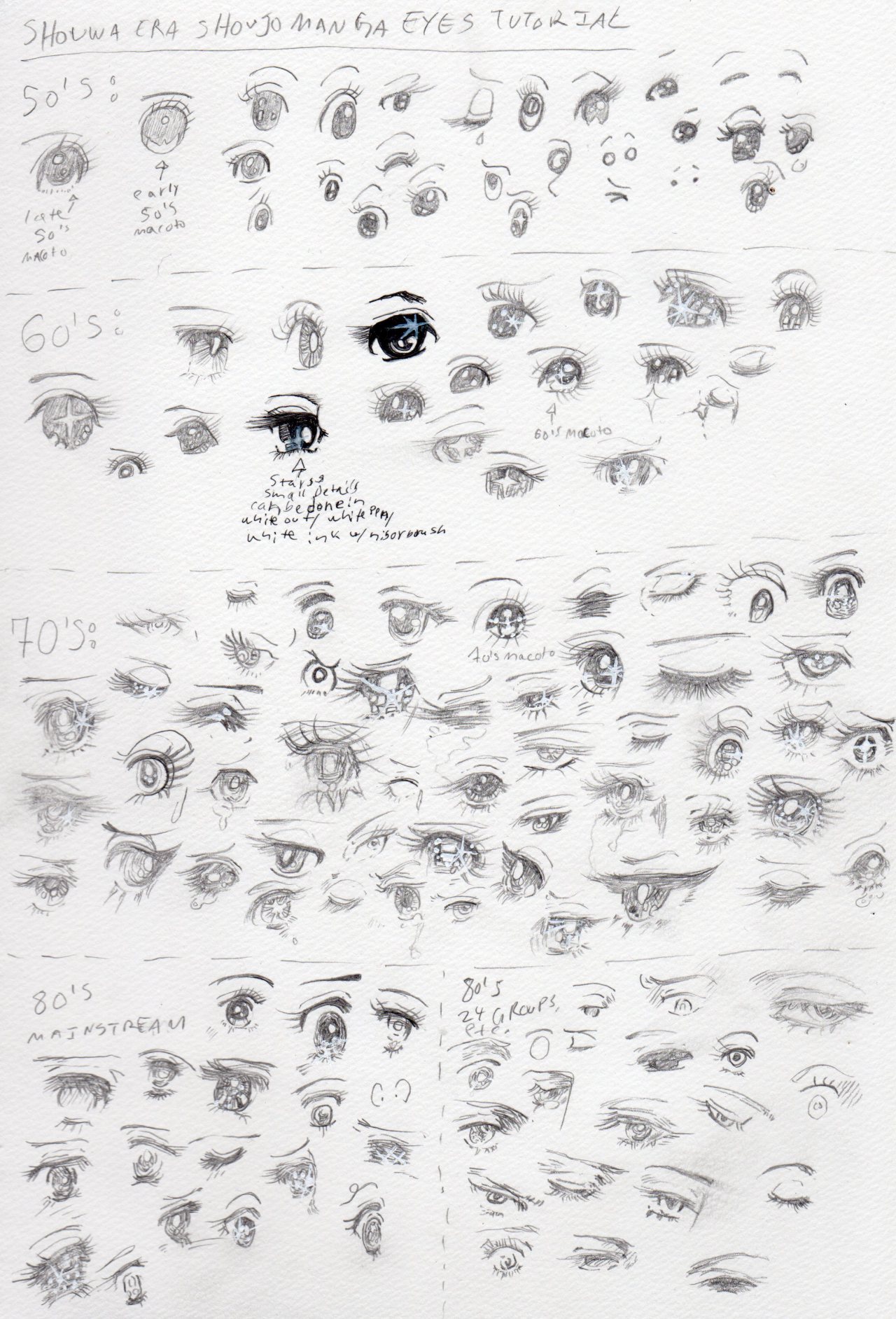
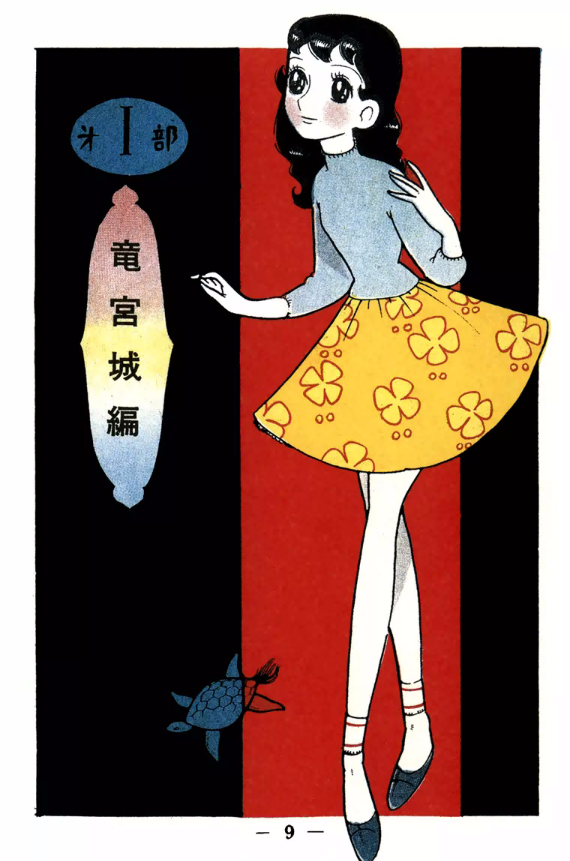
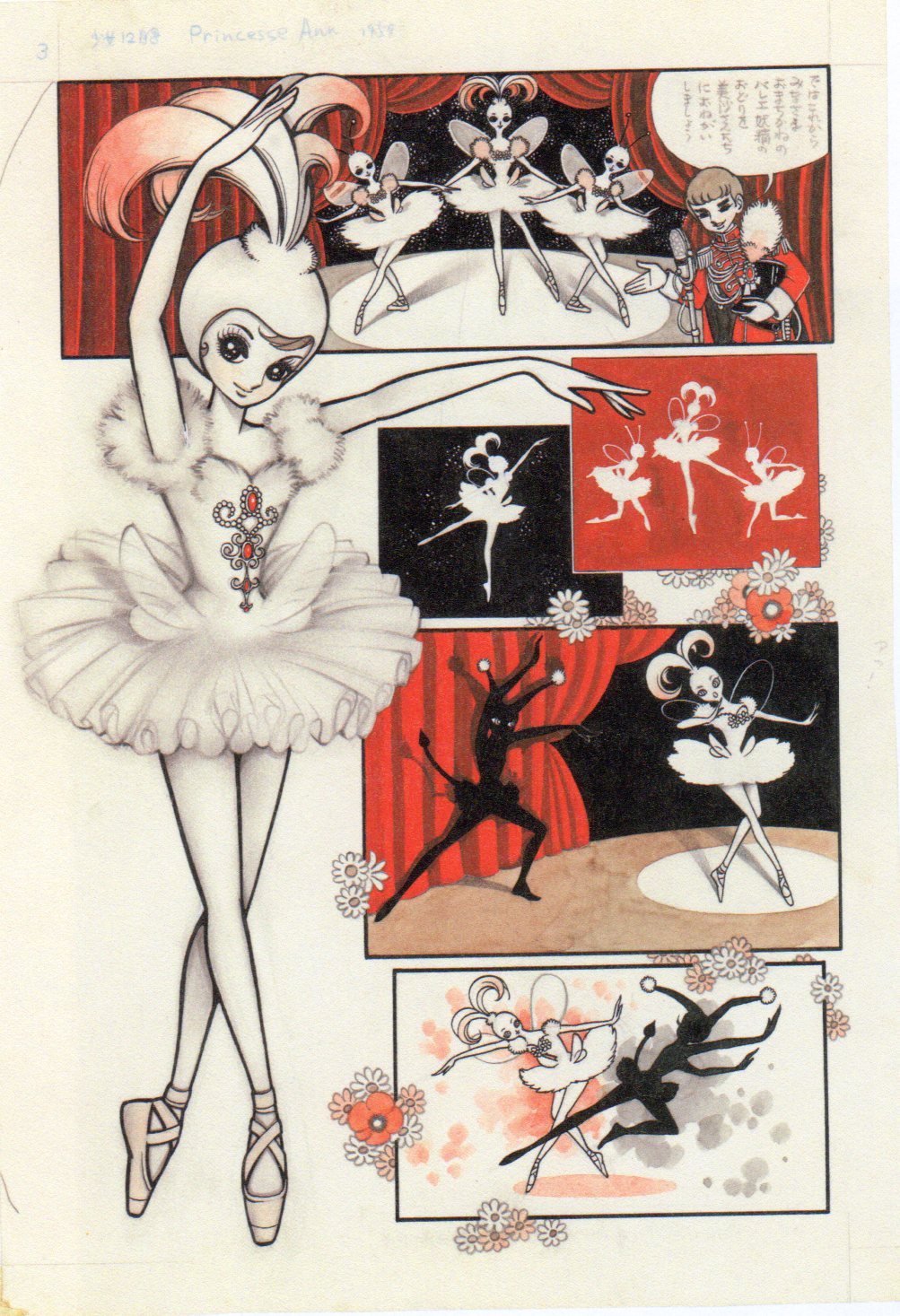
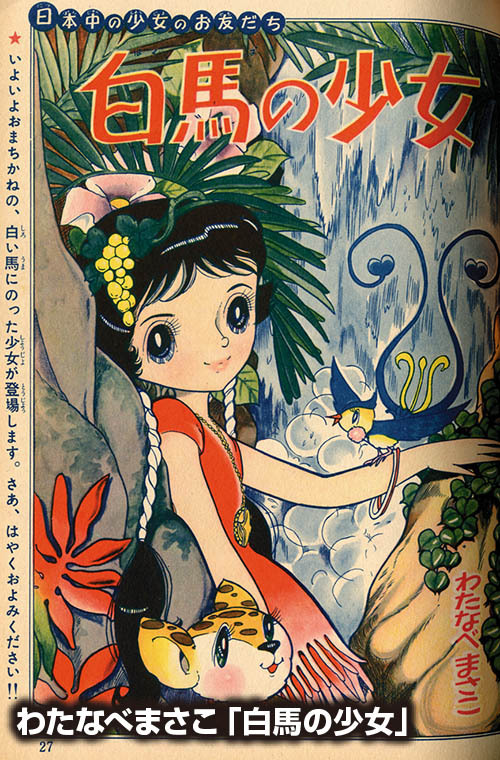
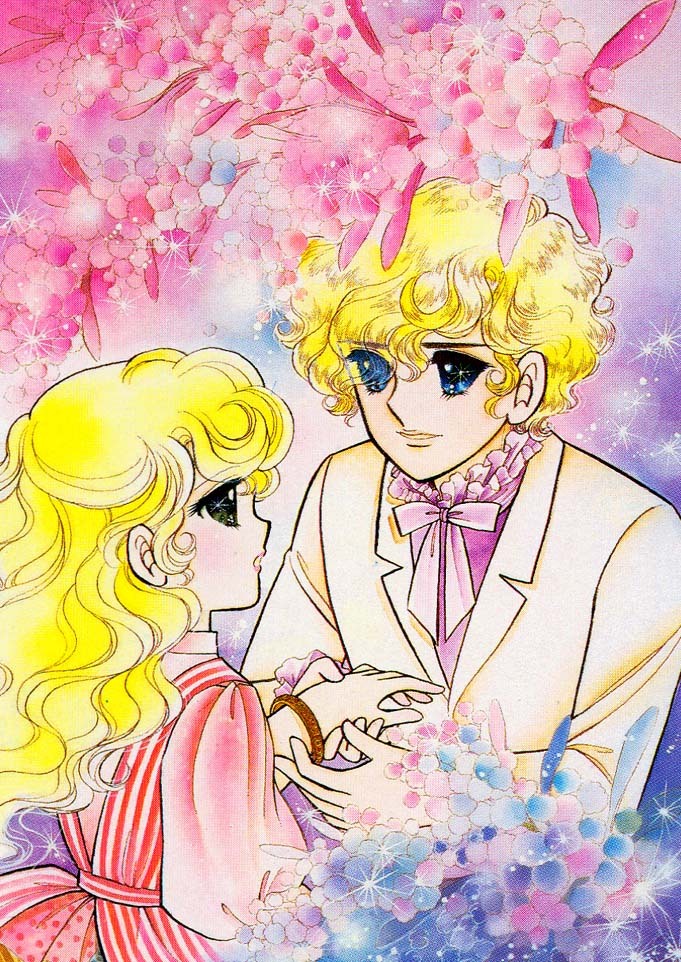
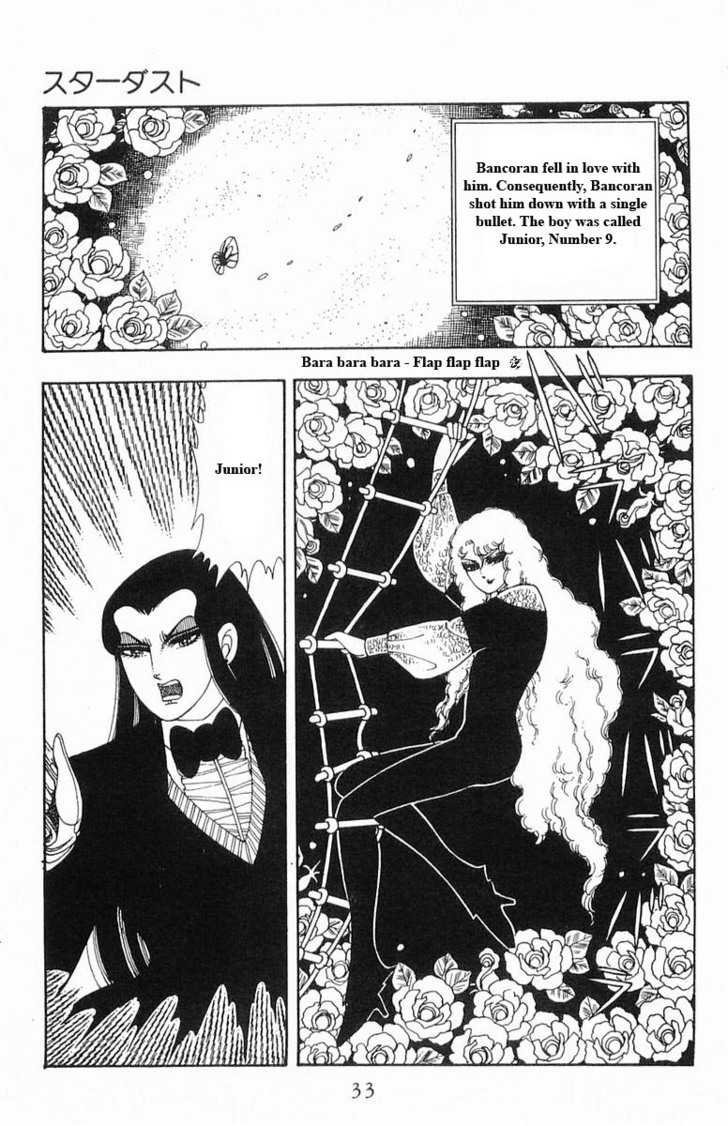
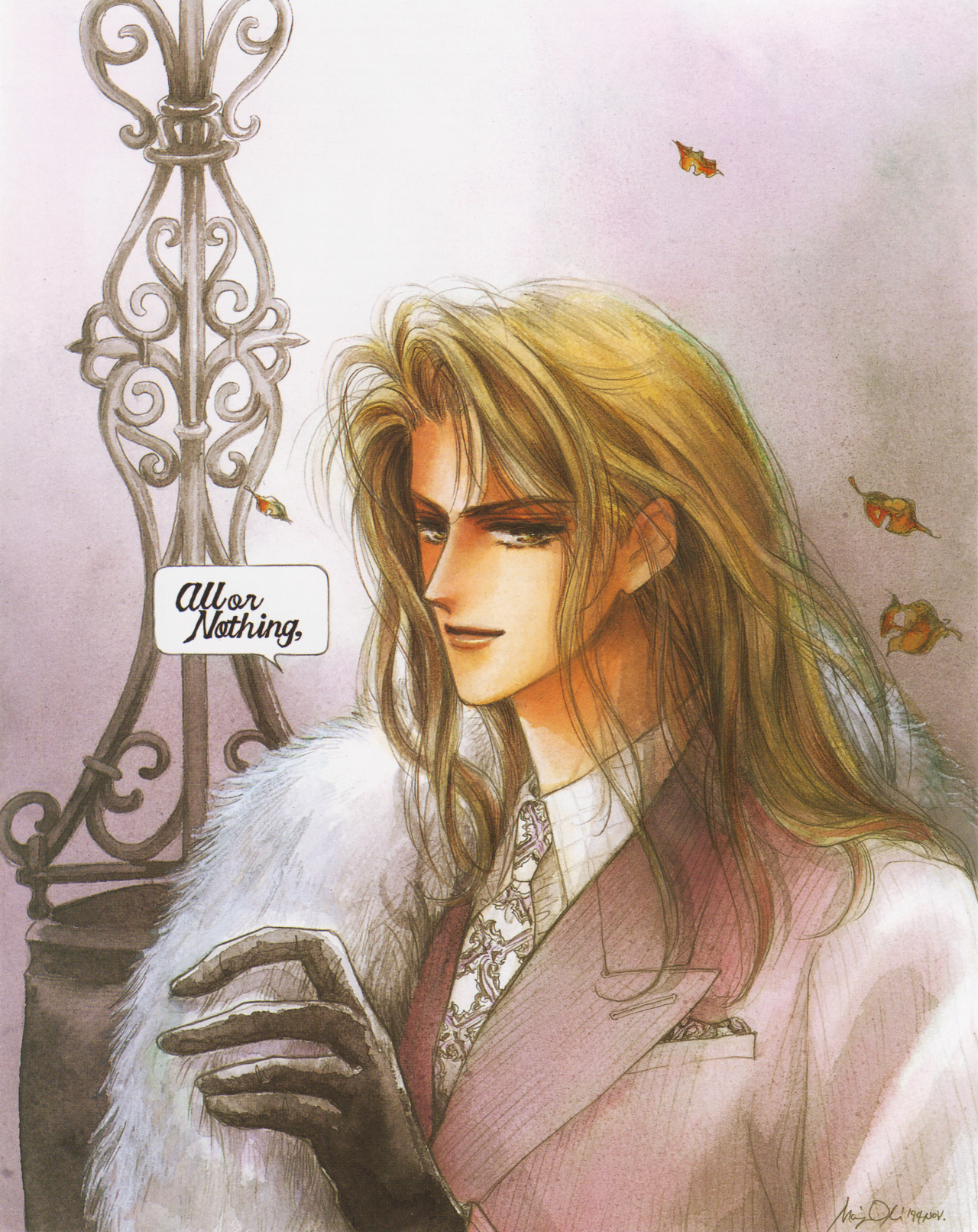
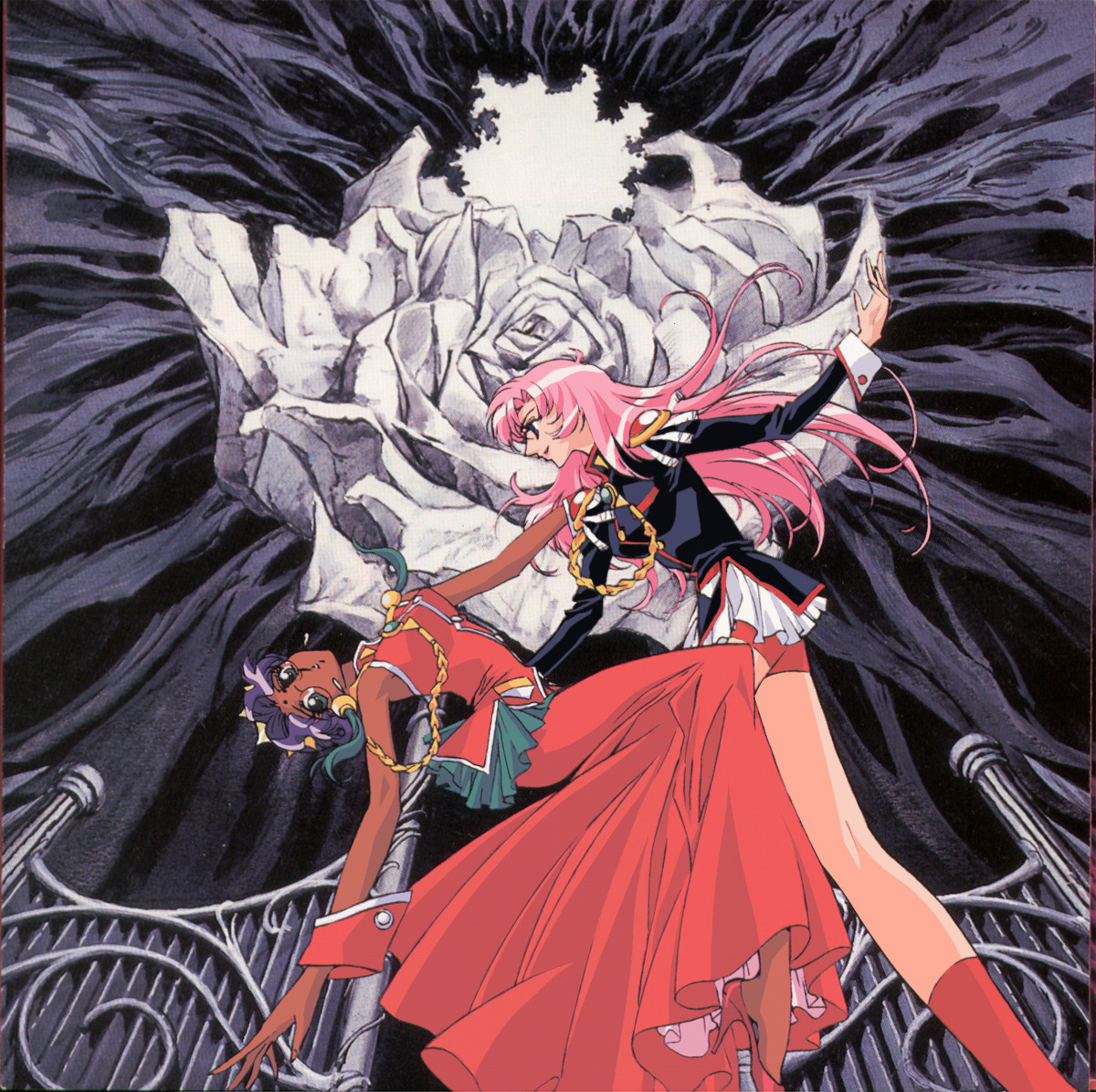
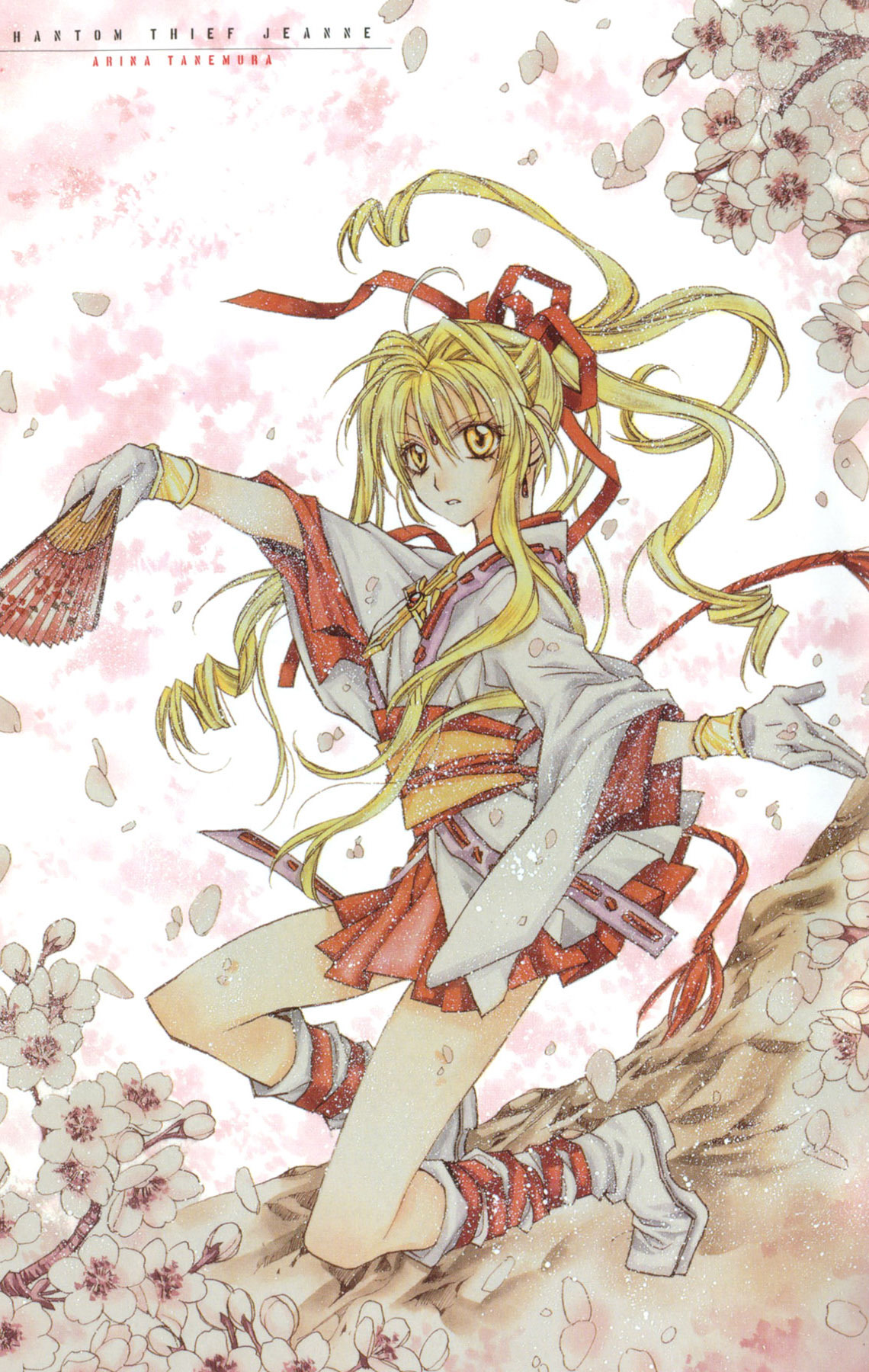
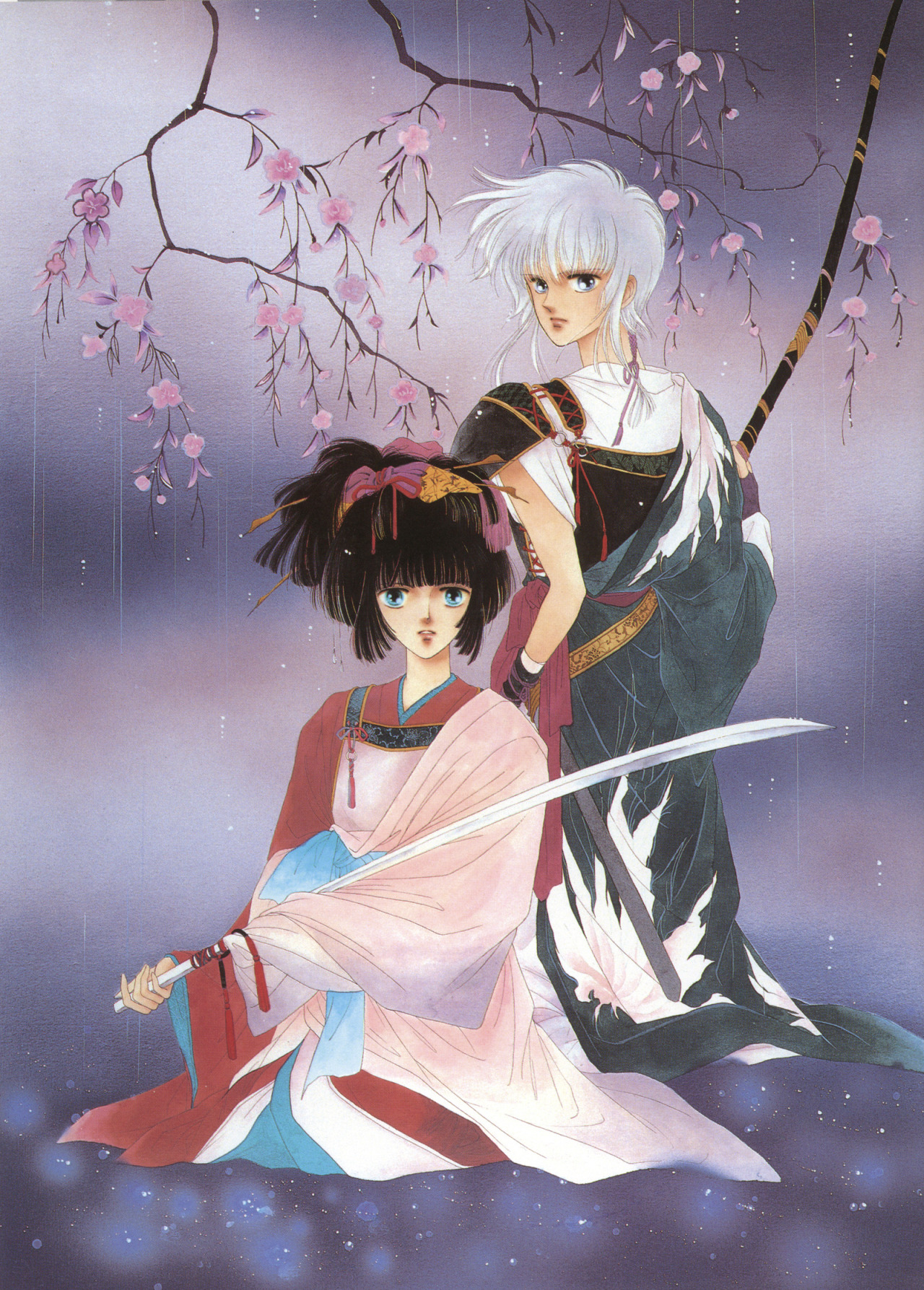
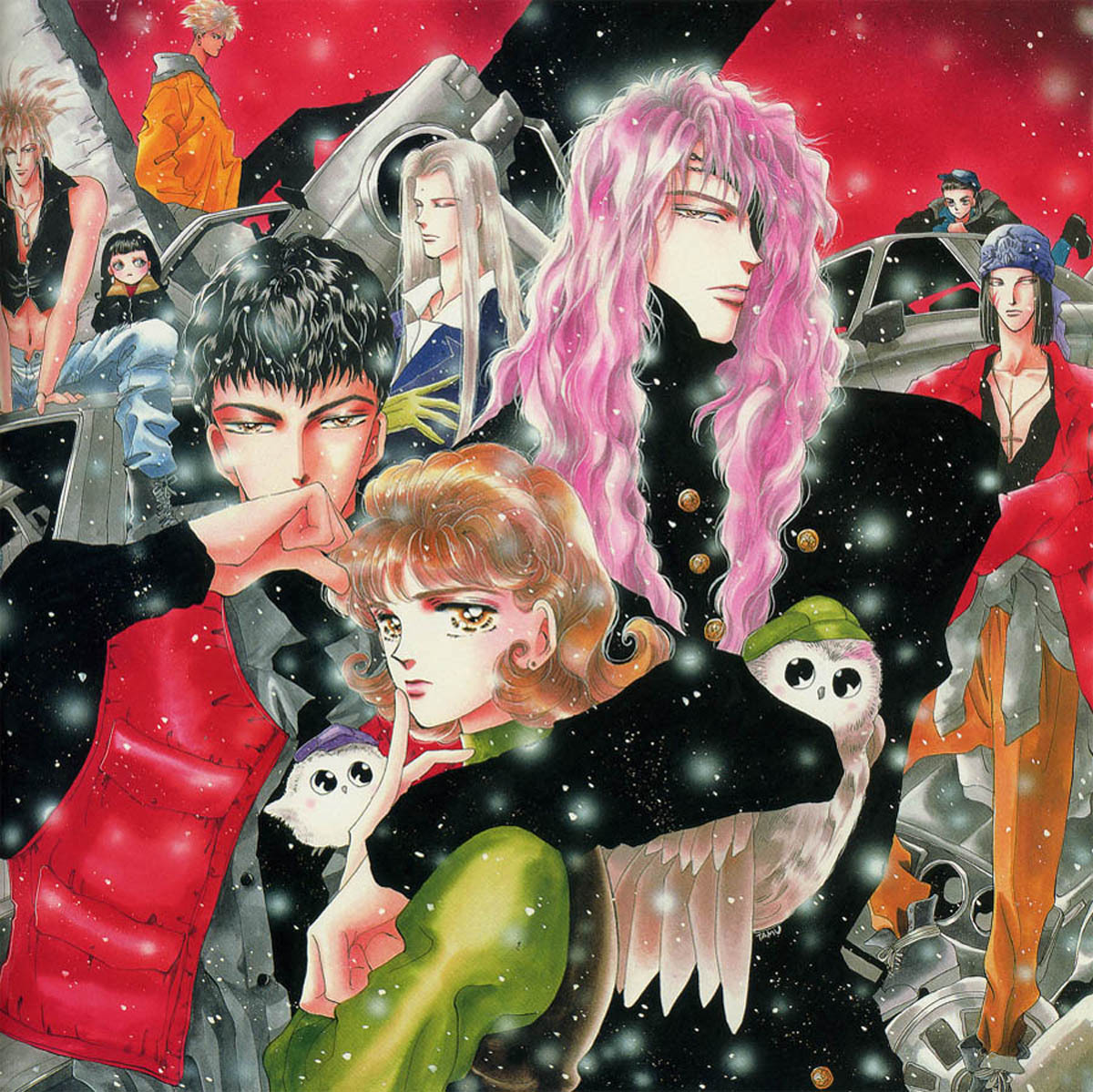
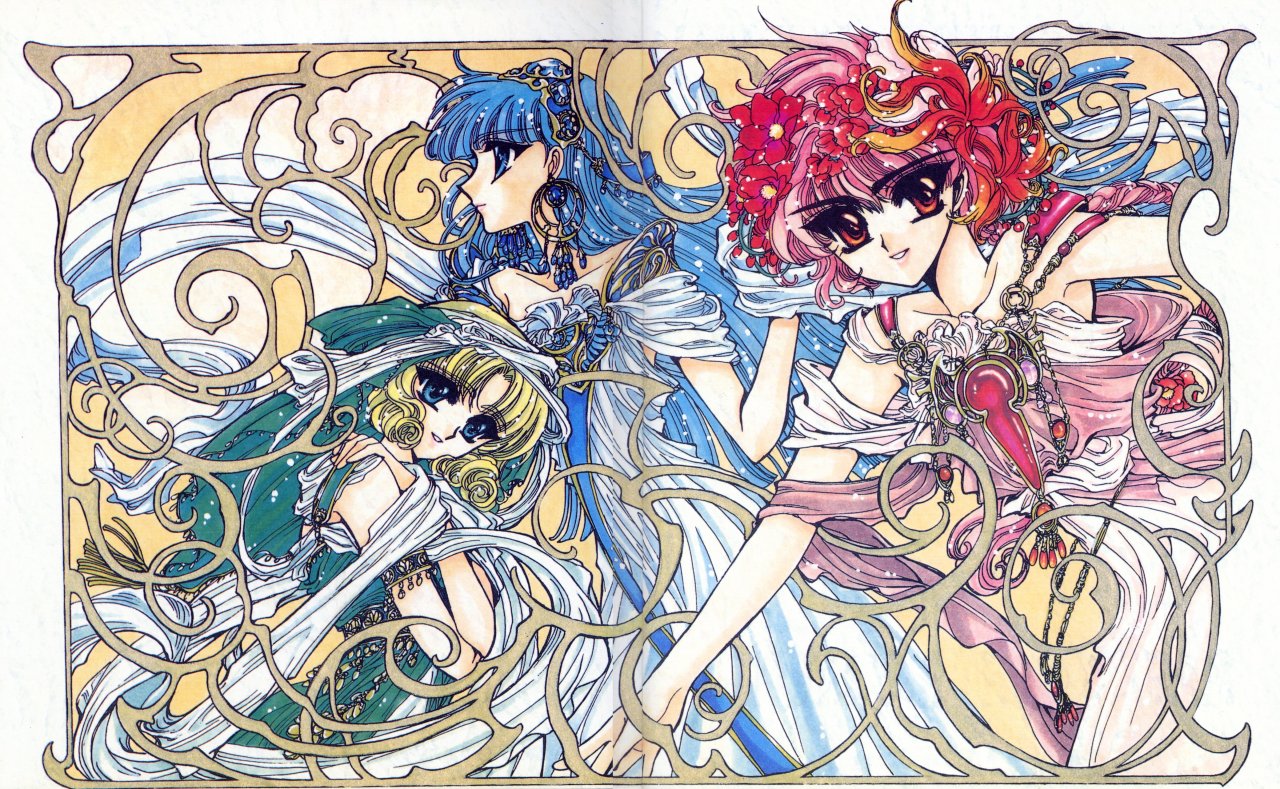
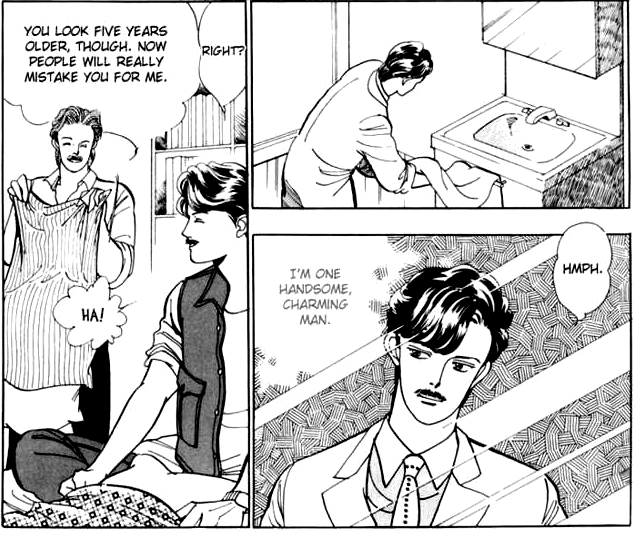
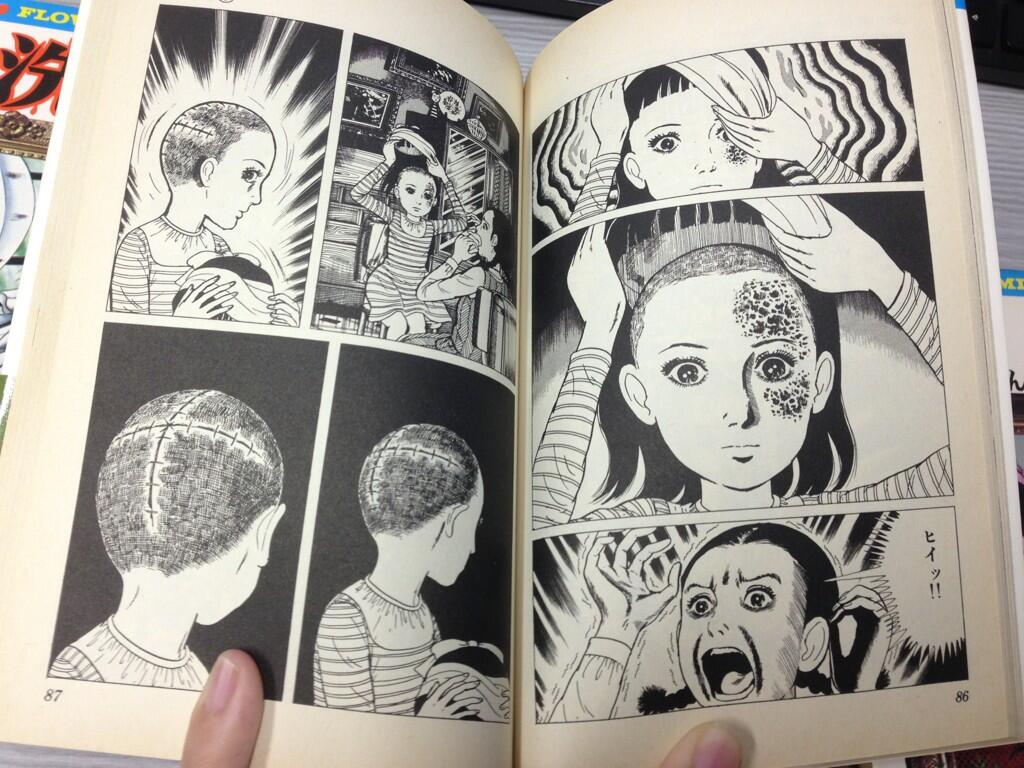
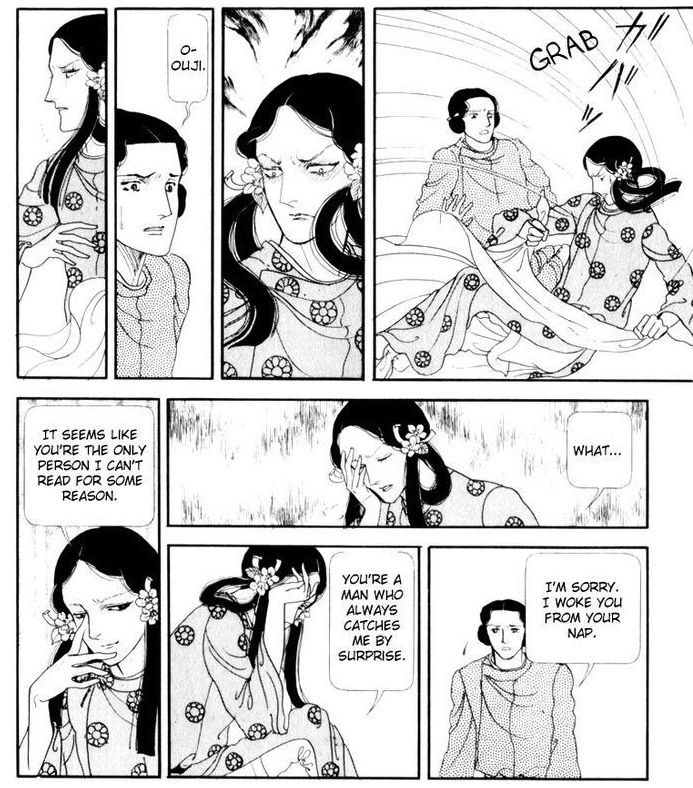
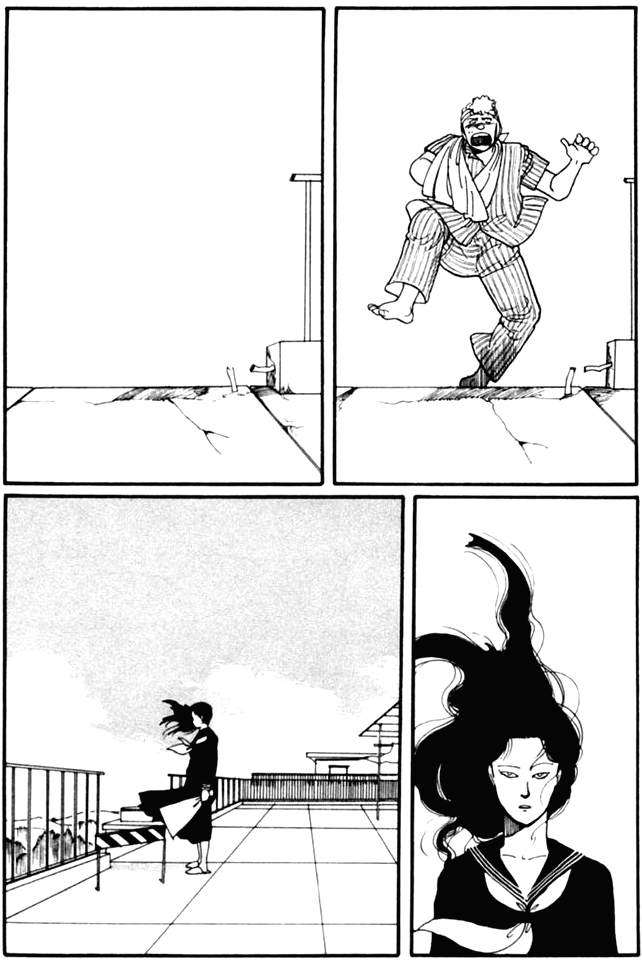
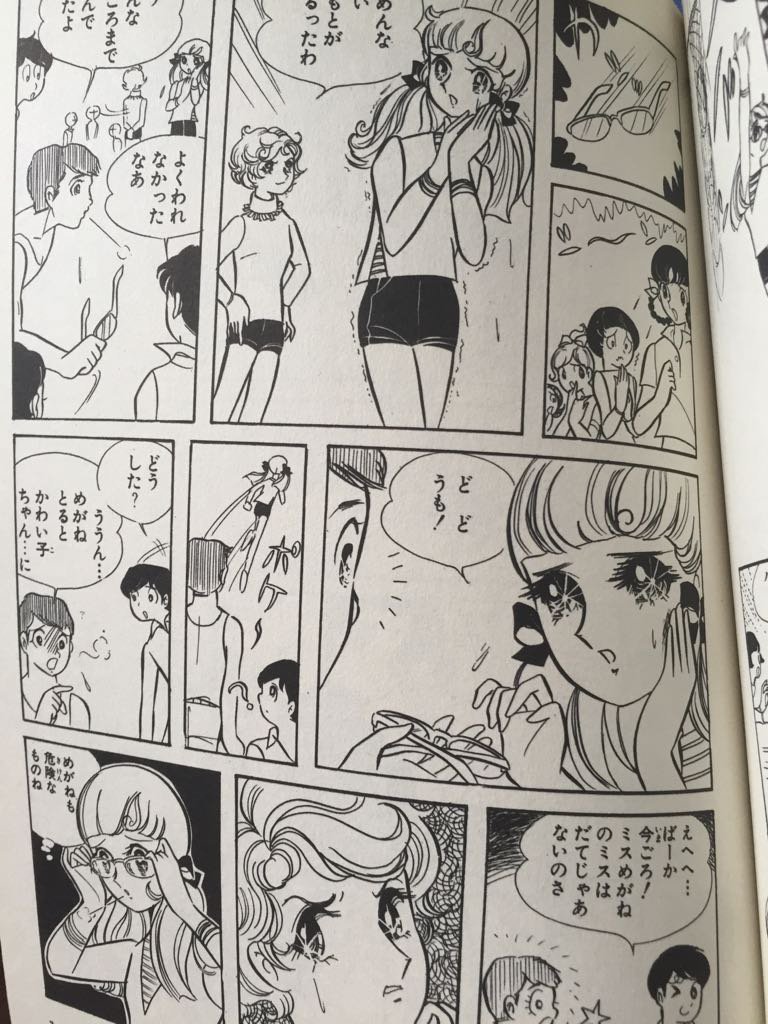
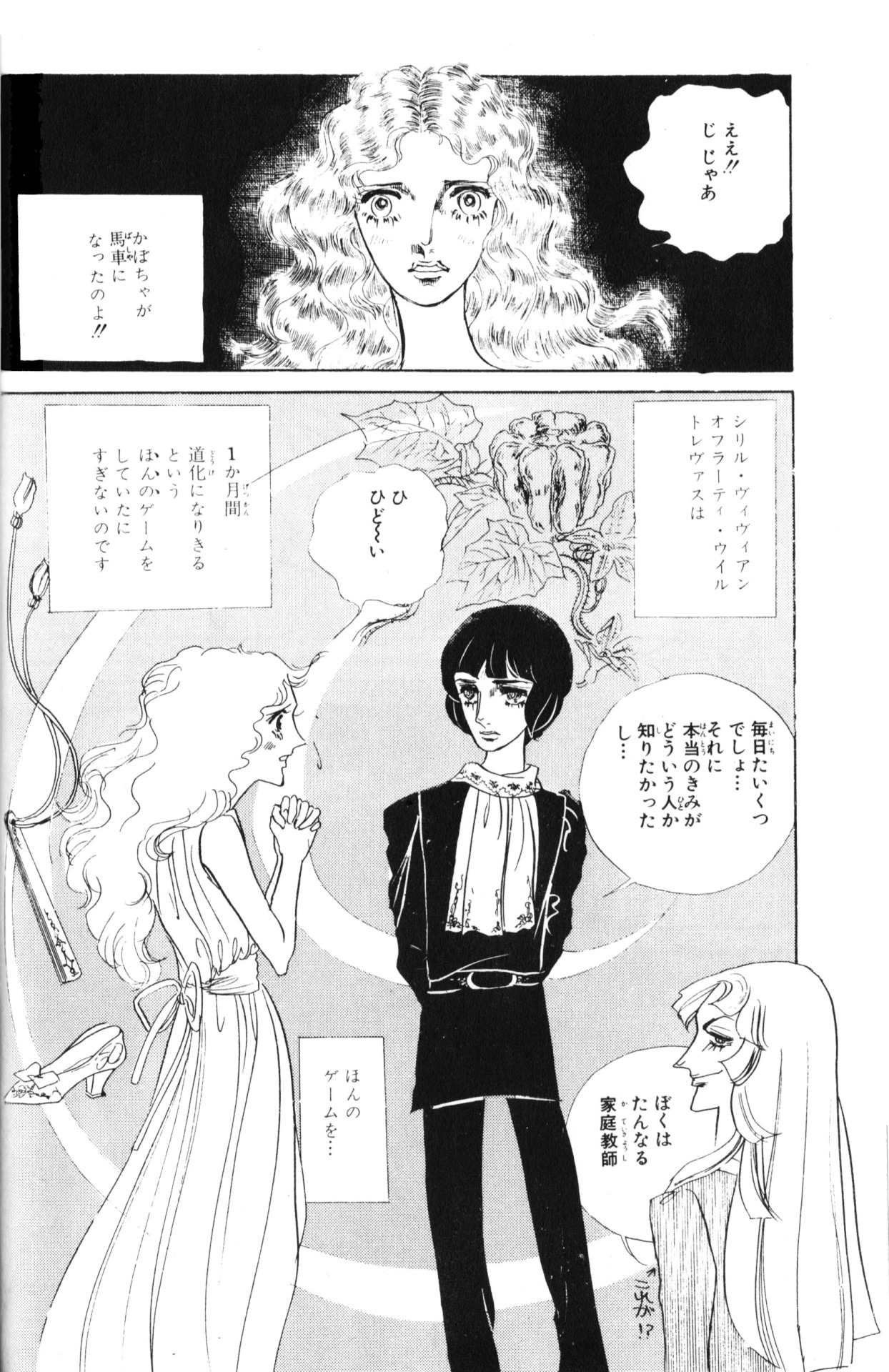
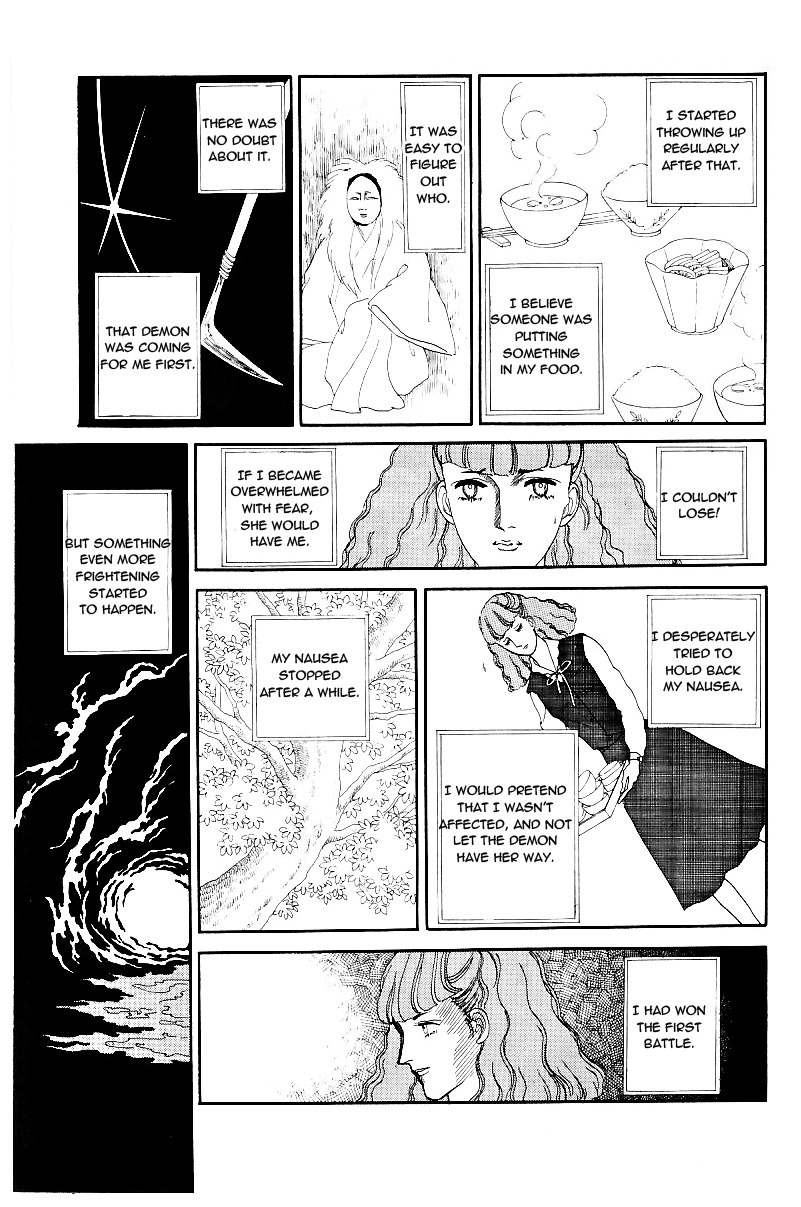
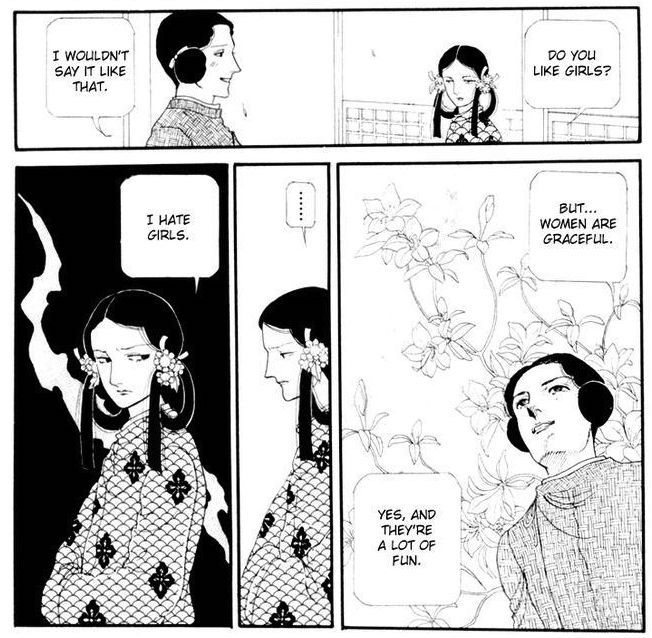
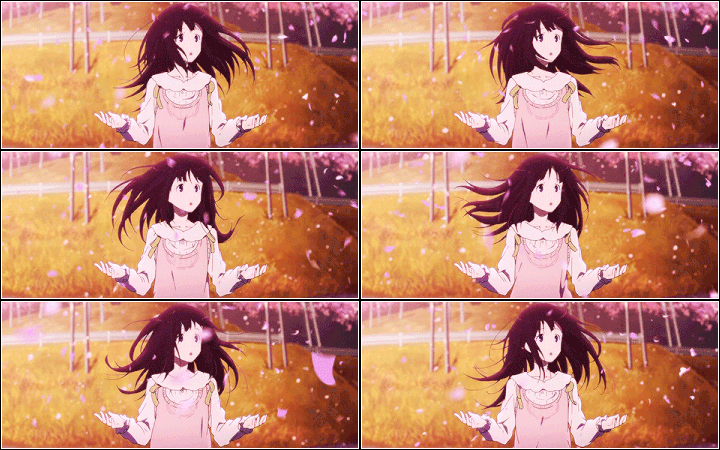
TFO1013 said:The artstyle definitely depends on the artist. Here are four pages from different manga. Two are from shounen manga, one is from a shoujo, and one from a seinen. Can you guess which page is from each demographic based solely on the artstyle?
I'll go with the same than @Roseezy
Although only the 2nd and 3rd one use a typical "male art-style", I hesitate between the first and the fourth for the shōjo.
But that's why I don't like that much the modern productions on the art department; in addition of the fact that I find the art pretty poor in general, there is a "standardization", with the lose of the "typical traits".
A modern typical shōjo artstyle would be like we can find in Orange, and there is next to nothing notable in it, not much different from a lot of seinen works. It's a shame, really.
But considering the aim of the topic, I choose to speak about the "typical" and historical traits. Because the answer "it depends of the mangaka" is uninteresting and somehow "poor", and ignore the fact that mangaka are influencing each others, creating some sort of standardization.
Those "typical art-styles" were used in order to create an identity, distinguishing the shōjo from the shōnen, and distinguishing the gekiga (ex-seinen) from the shōnen/shōjo, and distinguishing the redikomi (ex-josei) from the shōjo. A way to say "Hey! We're doing something different here!".
But today there is more and more demographic-less magazines, there is also internet which authorizes the emancipation from the magazines codes, people are also less sensible to the demographics, the studio of animation tend to standardize a lot too.
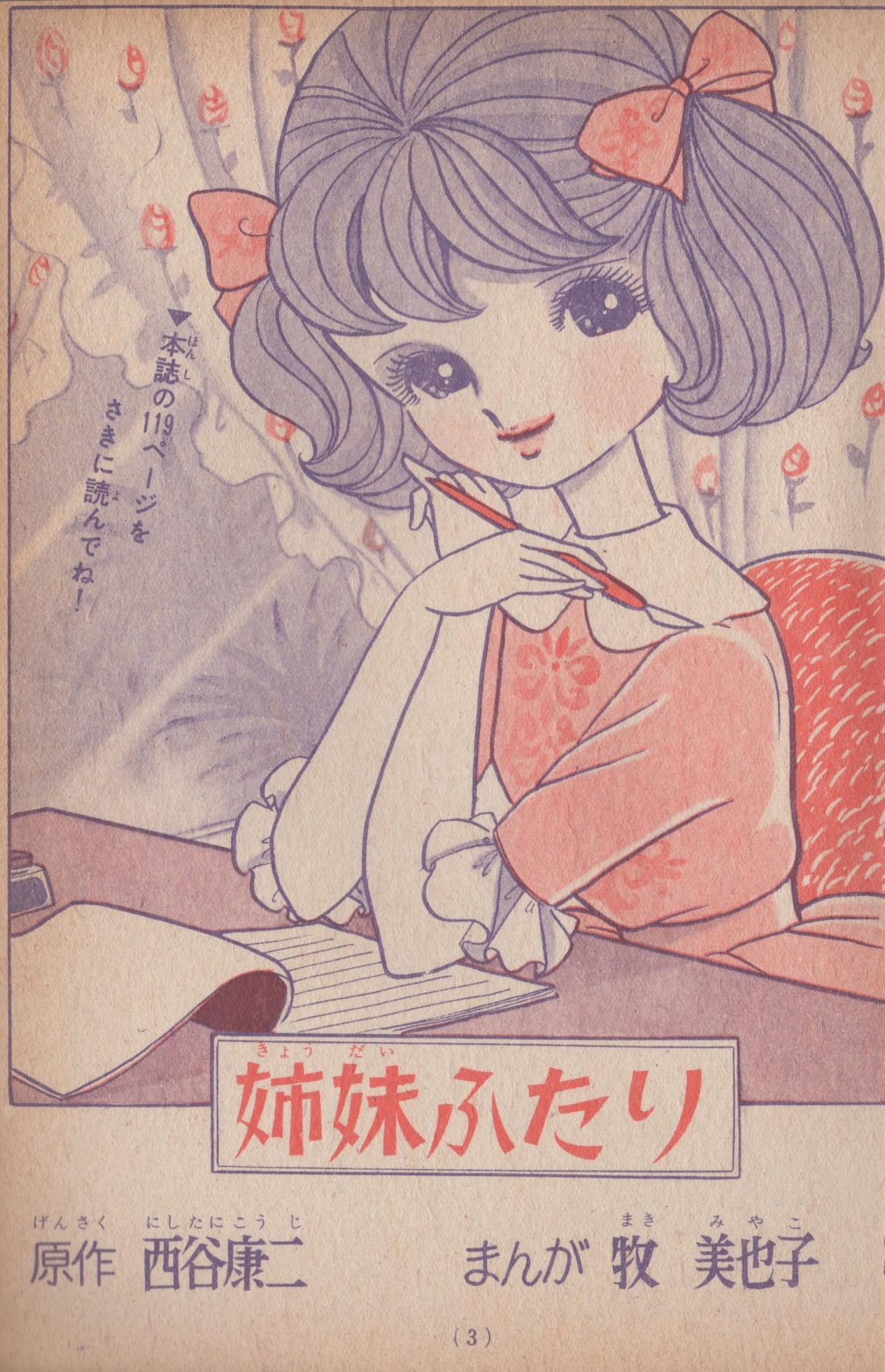
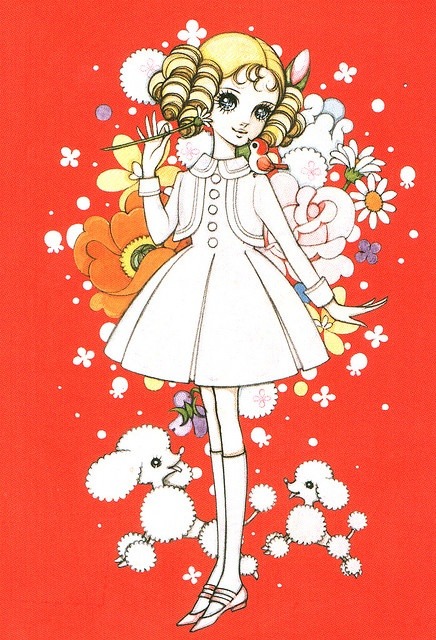
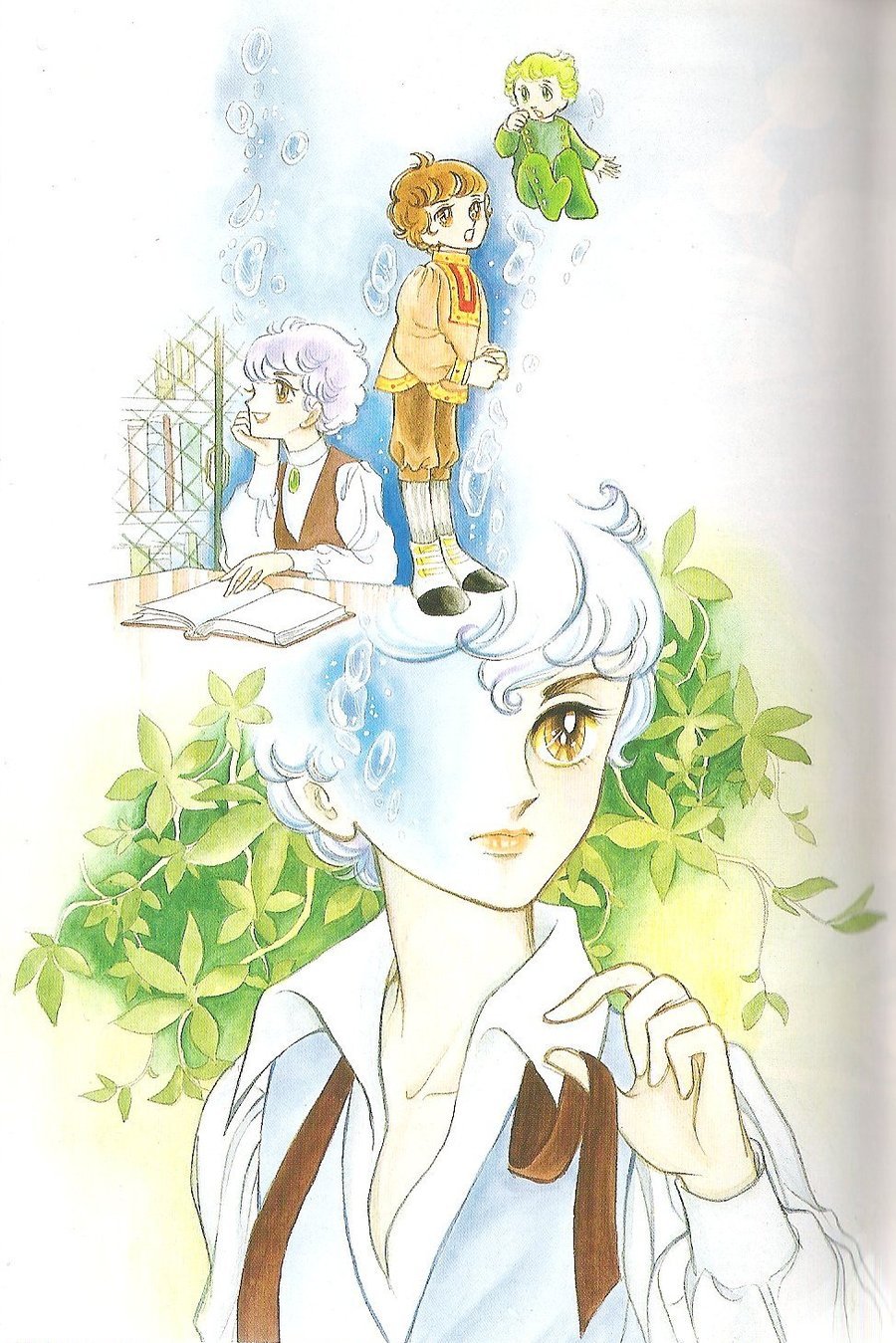
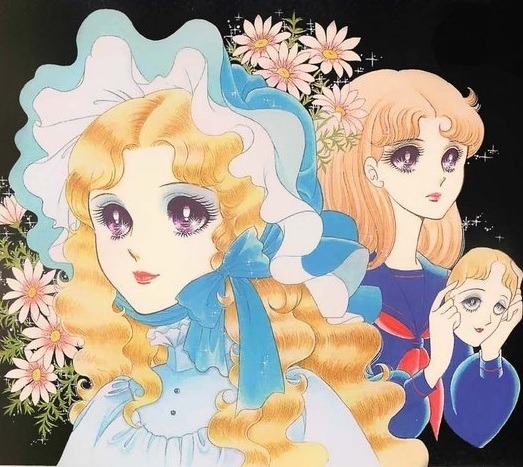
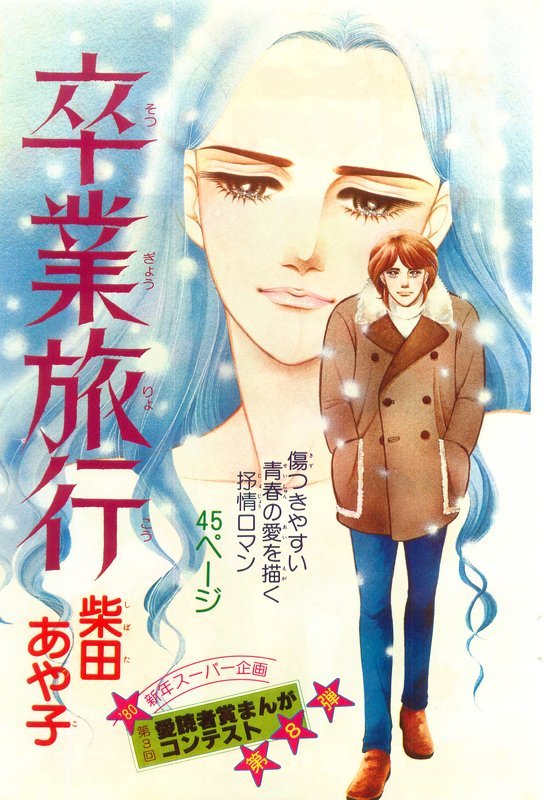
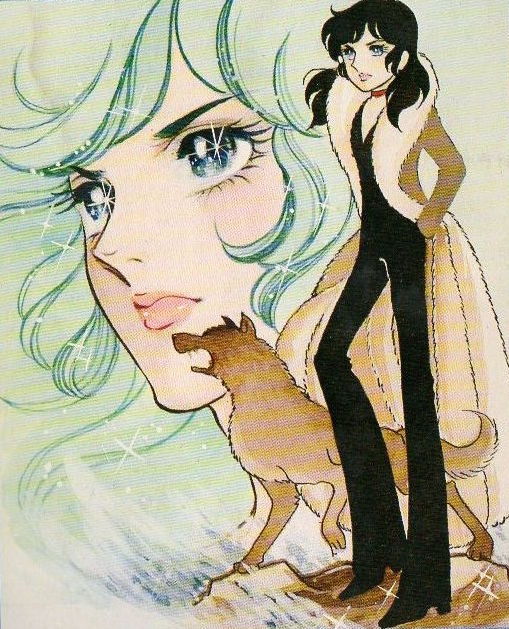
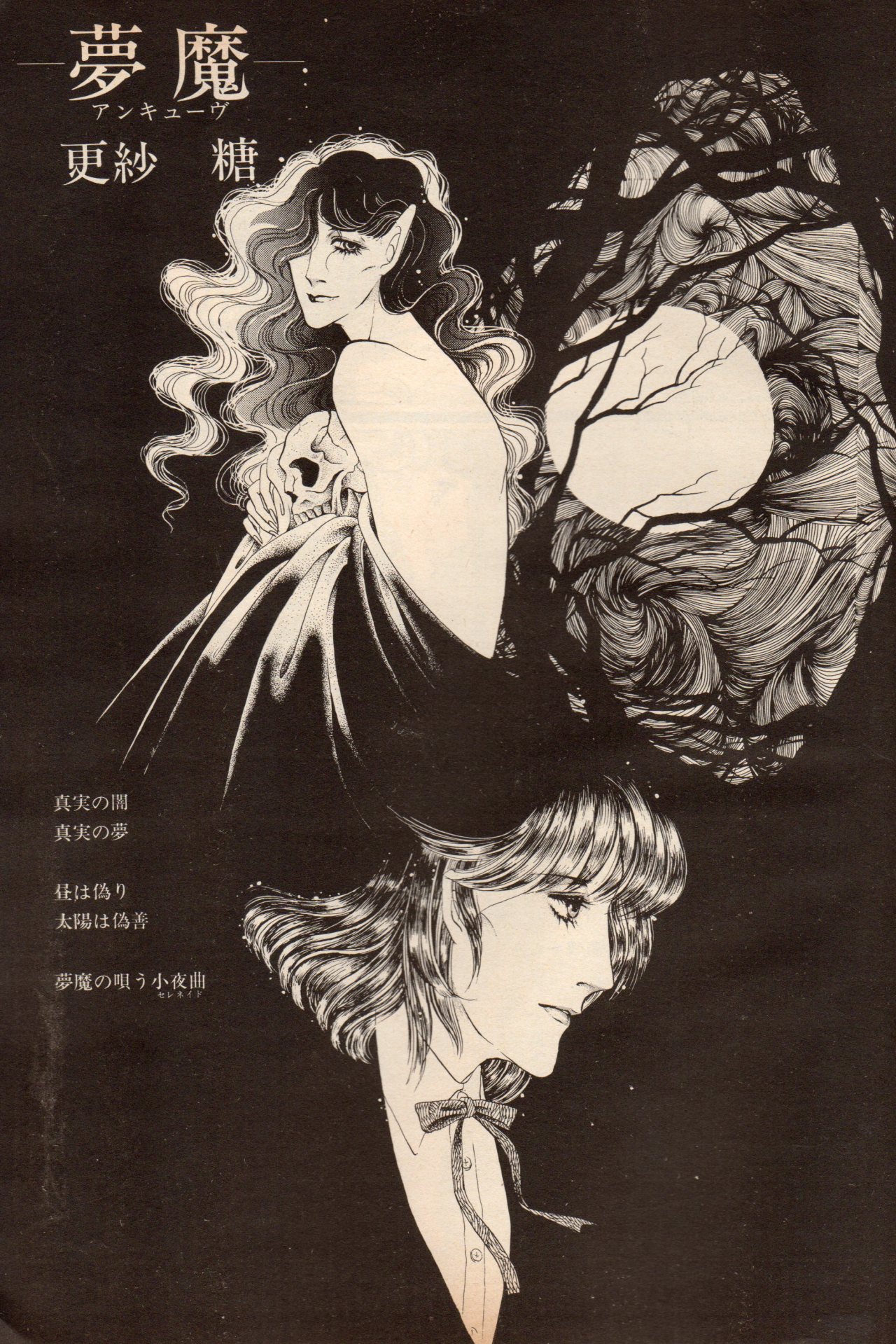
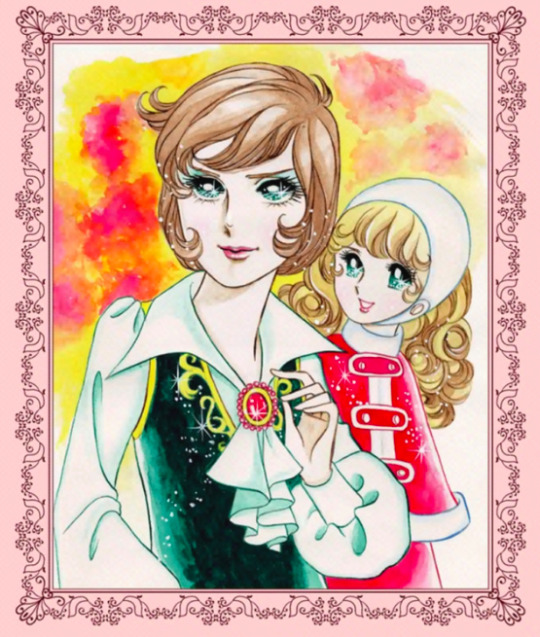
Thus, I choose to show "typical art-styles", rather than atypical ones, I could have, I love a lot of those manga, here 4 different examples of 70s/80s atypical shōjo art-styles.
The third example is interesting, because the mangaka changed a lot her art-style during the years, starting with a very typical 70s shōjo and gradually drifting apart from it. Here the evolution:
Like she is drifting from the shōjo to the josei (which she actually did, changing from shōjo to josei magazines), with the eyes less and less typical, and the characters physiognomies more and more realistic.
Because that mangaka, like most of them started by imitating others mangaka, but with the experience the mangaka started to affirm her own art-style.
That tendencies of the mangaka starting by imitating others ones explain a certain uniformity. In the past the distinctions between the demographics were strong, thus maintaining a certain uniformity inside a demographic, but now that the distinction between the demographics loosened, the art-styles between the different demographics are standardizing themselves. |